





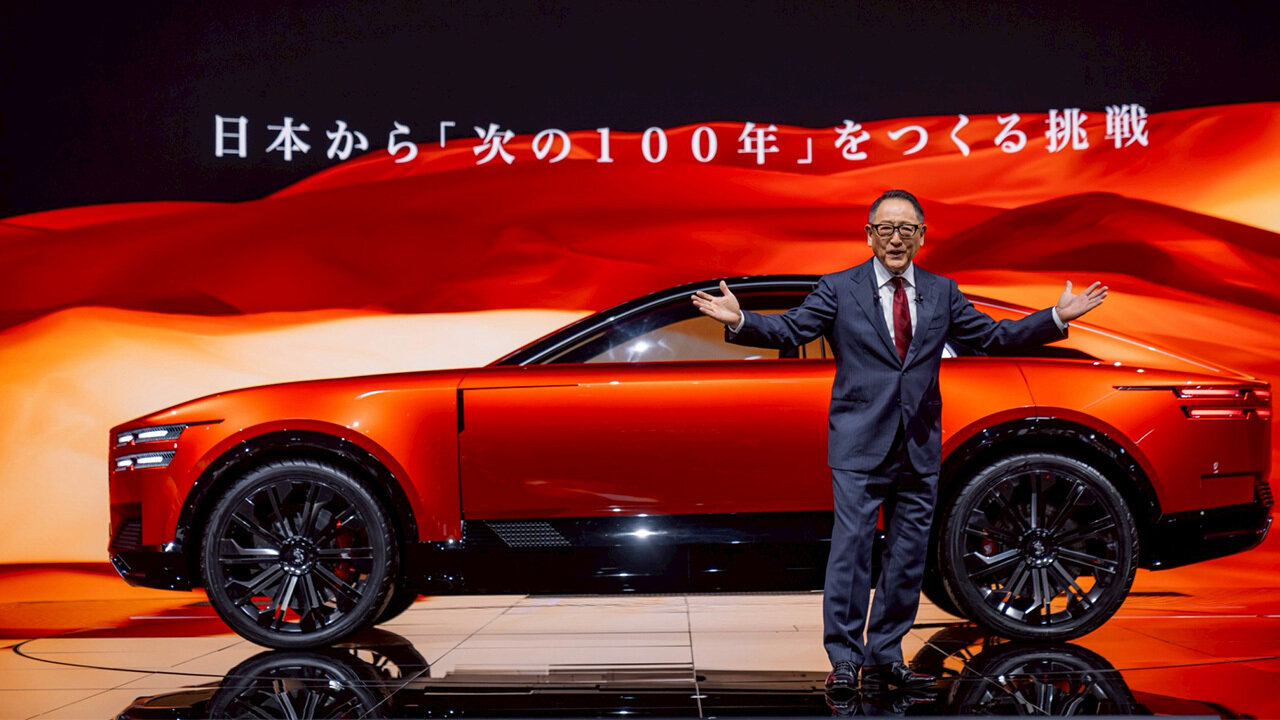
The Century has emerged as a new brand, seeking to share the pride of Japan with the world. Chairman Akio Toyoda has vowed to take on the challenge of creating the next 100 years.
For the last of our three articles showcasing the speeches made by Toyota brands at the Japan Mobility Show (JMS) 2025, we finally turn to the Century.
During our special Toyota Times livestream on October 13, it was the Century, newly established as the Toyota Group’s top brand, that generated the most interest.
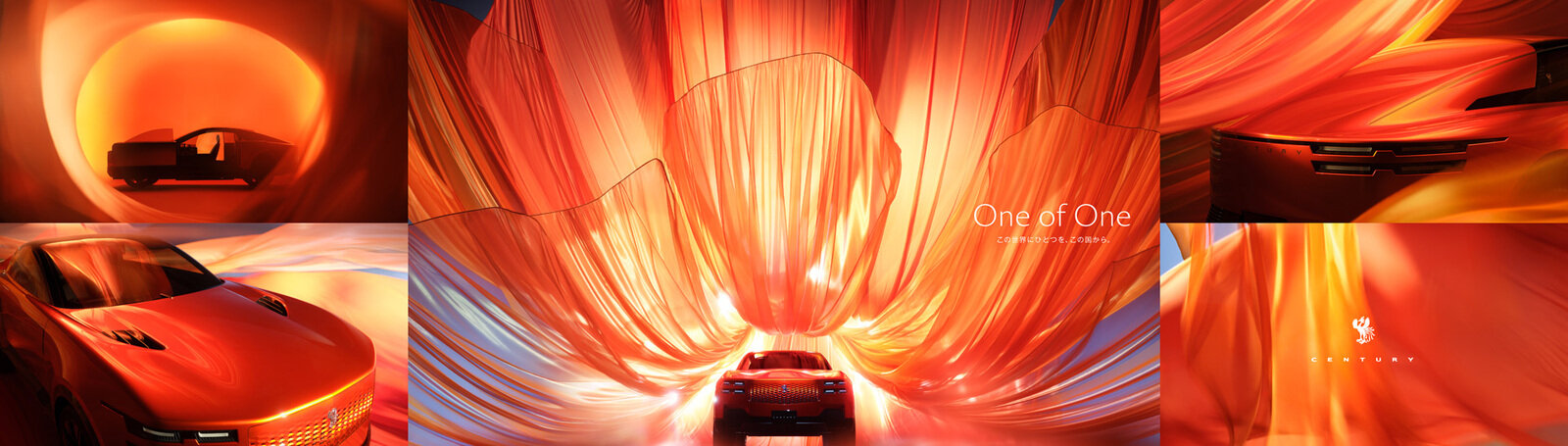
The same was true on the JMS press day, October 29, as reporters from various media outlets packed the brand’s booth more than an hour before presentations began. Excitement filled the air.
Following on from President Koji Sato representing Toyota and Daihatsu brands and Chief Branding Officer Simon Humphries for Lexus, Chairman Akio Toyoda took the stage.
His rousing 20-minute presentation drew the following comments in the livestream chat on YouTube:
“This wasn’t just about Toyota—as a Japanese person, I was really moved.”
“Thank you for a presentation that made me excited and proud to be Japanese.”
“Chairman Akio’s stirring words brought tears to my eyes. I could sense his dedication to weaving the pride of Japan into the future. You have my support.”
In his speech, Chairman Toyoda emphasized that the Century is “an endeavor to shape the next one hundred years from Japan”—a challenge he views as his personal mission.
How did the Century, a car that carries Japan on its shoulders, come to be, and what does its future hold? Chairman Toyoda tells the tale of the Century.
The Century origin story, in Akio’s words
Chairman Toyoda
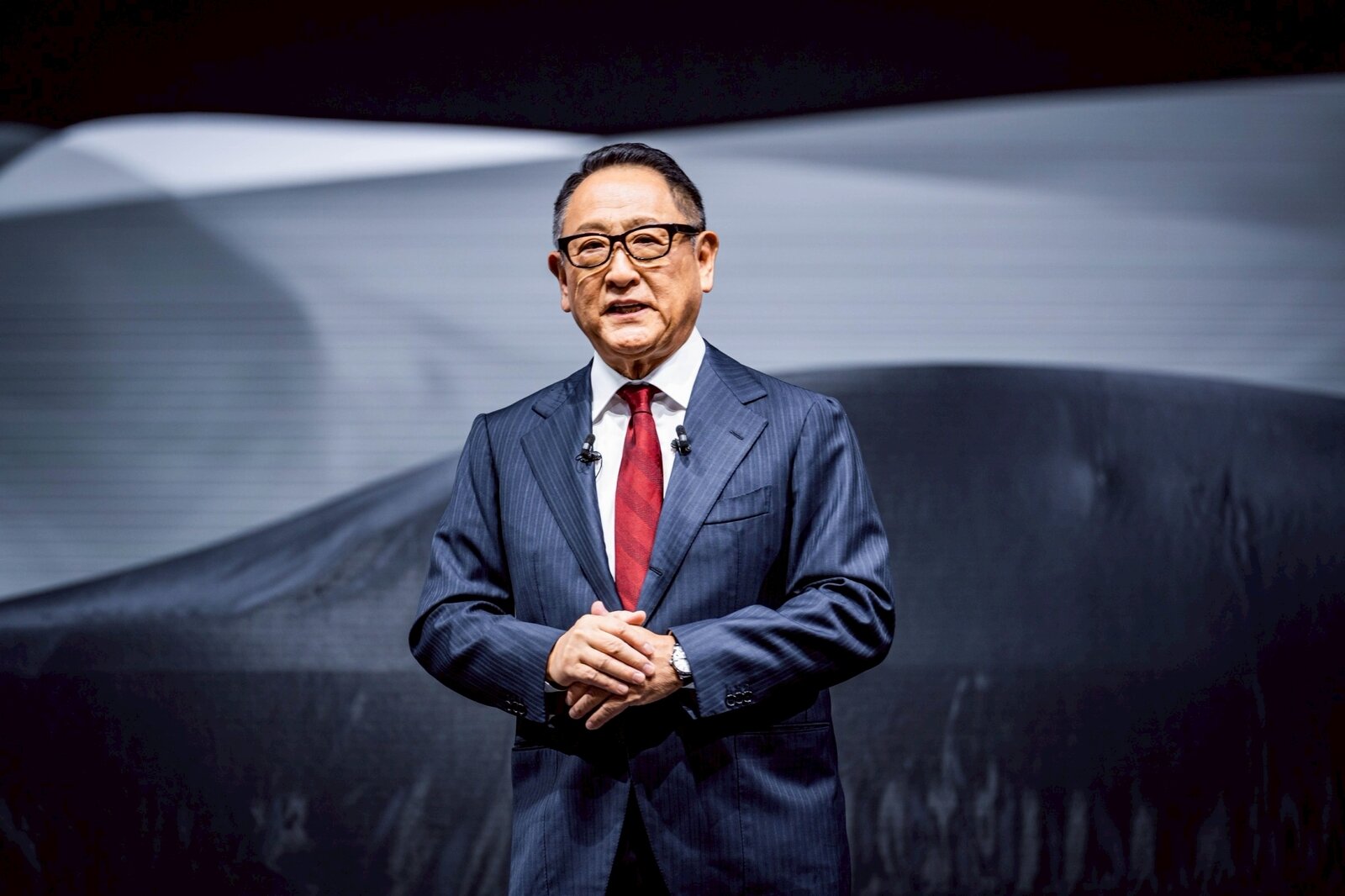
I am Akio Toyoda. Thank you very much for taking the time to be here today.
The Century stands at the pinnacle, a car in a class of its own. I believe this car was born carrying Japan on its shoulders.
Today, I would like to take a moment to share the Century story in my own words.
"It is not just about making automobiles. With Japanese ideas and skills, we must create an automobile industry for Japan." These were the words of Kiichiro Toyoda.
In the 1930s, a time when Japan was seen as incapable of making cars, what Kiichiro set out to build was not a company called Toyota, but Japan's automobile industry itself.
Together with others who shared his vision, Kiichiro embarked on this challenge.
Then in 1938, one year after Toyota was founded, another man joined the effort. Please watch this video.
With that, a film showed how two engineers—Toyota’s first chief engineer, Kenya Nakamura, and a young Shoichiro Toyoda—developed the original Century.

With postwar reconstruction efforts making steady progress, Japan was gearing up for the Tokyo Olympics.
“What we need now is a car we can proudly show on the world stage.”
“To be like no other.”
“A car that continues to inspire all those who see it.”
Guided by these words, the Century’s development combined the latest technology with traditional skills, imbued with the human spirit and essence.
However, getting off the ground proved incredibly difficult. Led by Nakamura and Toyoda, the development team stayed at the bachelors' dormitory of the Kanto Auto Works* Higashi-Fuji Plant, working through sleepless nights to bring the first-generation Century into the world.
*Predecessor of Toyota Motor East Japan, which was formed in 2012 when Kanto Auto Works merged with Central Motor and Toyota Motors Tohoku.
Following the video outlining this history, Chairman Toyoda again took up the story.
Chairman Toyoda
The Century's development was overseen by Kenya Nakamura, Toyota's first chief engineer.
"To be like no other." This spirit guided Nakamura in every aspect of the Century, from its development to production and sales.
That development began in 1963. It was 30 years after Toyota started making cars, and only 18 years after the war.
How could Toyota, with no tradition or prestige, hope to create a world-class vehicle, the pinnacle of luxury cars?" Such reactions were hardly a surprise.
Despite that, Nakamura was not deterred.
"Tradition will naturally follow. Let's create a new kind of luxury car unlike anything before. The Achilles' heel of today's luxury cars is that nothing innovative can be done."
With that, Nakamura boldly pursued fresh ideas and breakthrough technologies.
At the same time, he adopted elements of Japanese culture and tradition, including Edo metal engraving on the phoenix emblem and Nishijin-ori brocade for the seat fabric.
To create something that was "To be like no other," Nakamura focused on fusing cutting-edge technology with Japanese culture and tradition.
From that original model, the Century became Shoichiro's beloved car for life, one he continued to ride in through the second and third generations.
And to each new generation of engineers, he continued to offer suggestions for improvement. Whether it was better straight-line stability on the highway or making sure the car could handle a stiff crosswind. Day after day, he continued giving instructions for improvements from the back seat.
Shoichiro only went to such lengths for the Century. Why was that?
Why did Nakamura take on the challenge of developing the Century―a project many at the time called "reckless"?
Please allow me to share my own interpretation from here.
Standing at center stage, Chairman Toyoda recounted the statement made by Kiichiro right after the war.
Chairman Toyoda
In their hearts, I believe, lay the same passion that Kiichiro poured into establishing the Automobile Association, just three months after the war's end.
This Automobile Association was the forerunner of the Automobile Business & Culture Association of Japan, which I currently serve as chairman.
On forming this association, Kiichiro said,
"I want to build a democratic, automotive-industrial nation, contributing to Japan's peaceful rebuilding and to world culture." These words have never left me.
The mention of "Japan's peaceful rebuilding" reflects a spirit of contributing to society through industry; a desire to bring back the smiles and peaceful daily lives of the Japanese people, with the automobile industry as a driving force.
Meanwhile, "contributing to world culture" means building a better society through mutual understanding and the exchange of cultures between different countries and peoples.
What the people of Japan needed at that time, I believe, was a sense of pride in being Japanese.
That is why Nakamura worked together with Shoichiro, the son of Kiichiro, and set out to make a car underpinned by Japanese tradition and skills, which they could proudly show on the world stage, a car that could contribute to world peace and cultural exchange.
“The pride of Japan.” I believe the Century was created to fulfill that role.