





Software-Defined Vehicles (SDV) have been gaining attention lately. Why do people call it a car that keeps evolving like a smartphone? Here's a quick, three-minute guide to understanding what it means and why it matters.
In recent years, the term SDV has become familiar across the automotive industry.
When Toyota and NTT announced their collaboration in 2024 to help achieve a society with zero traffic accidents through Mobility AI & Communications, President Koji Sato put it this way:
President Sato

As a carmaker, Toyota believes that the most important values that SDVs can provide are safety and security. In other words, contributing to achieving a society with zero traffic accidents.
So, what exactly is an SDV?
What Do “Hardware” and “Software” Mean in a Car?
SDV stands for Software-Defined Vehicle, which literally means “a car defined by software.”
In a car, the hardware refers to the visible, physical parts and mechanical components that make it move, while the software is the intelligence — the programs that determine how the hardware operates.
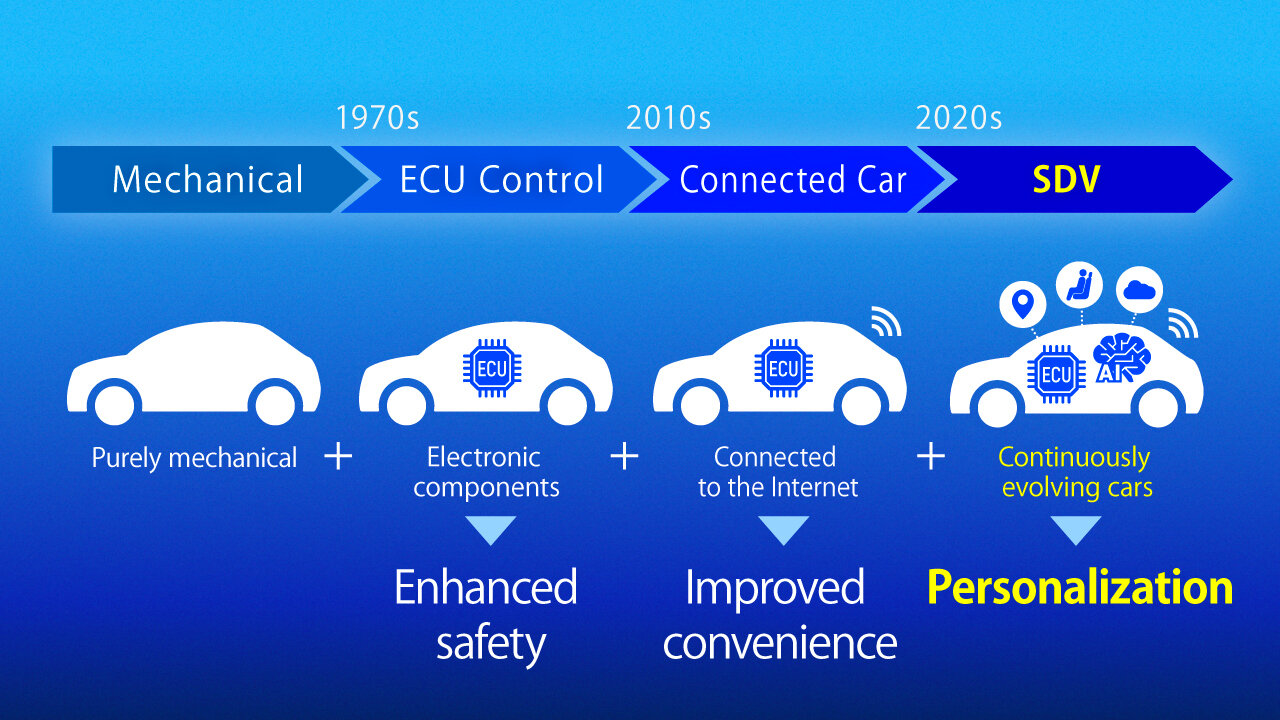
Looking back at how cars have evolved, they started out as purely mechanical machines. Later, small computers called ECUs were added, enabling software for individual functions such as engine control and brake assist.
As cars became connected to the internet, new convenience features were added, such as updating navigation systems and starting the engine remotely.
And the latest shift in the automotive world is toward SDVs. Instead of staying the same as when it was first purchased, a car can now continue to evolve, with functions updated or added over time. It’s much like installing your favorite apps on a smartphone to match your personal preferences.
What Is an SDV?
Until recently, automakers built cars starting with the hardware, which meant that hardware and software had to be improved together as a single package.
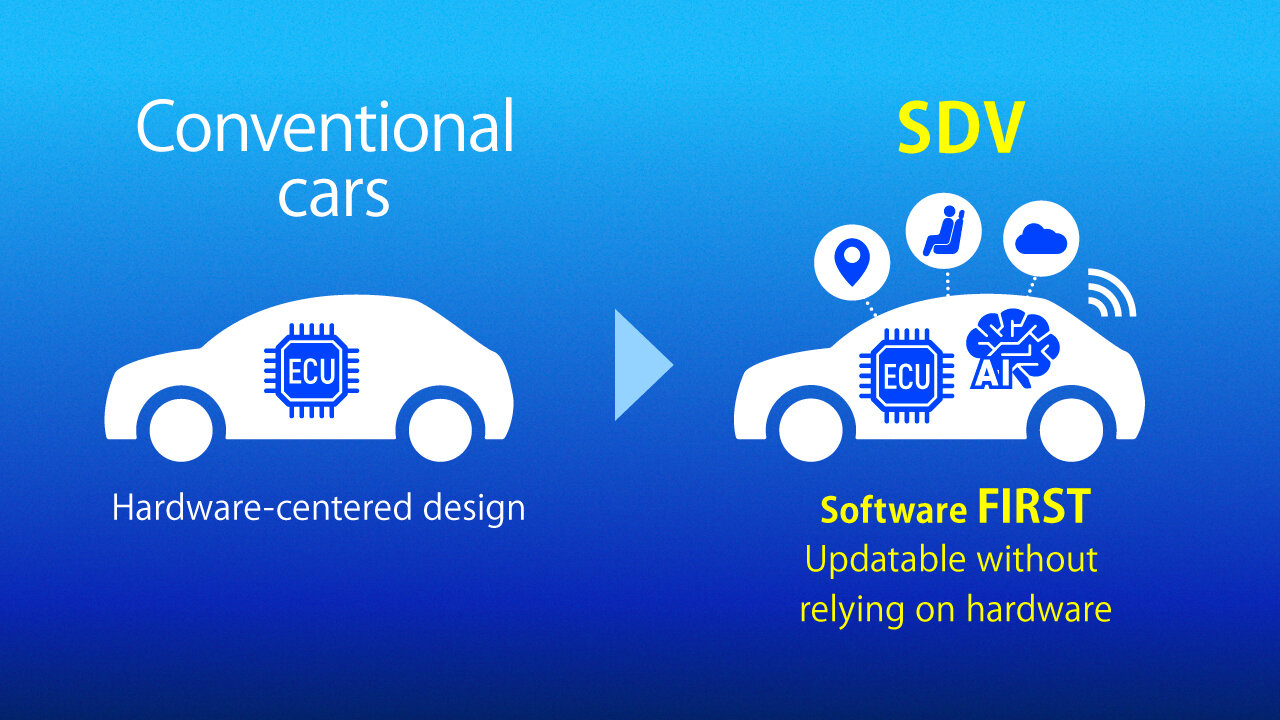
To enable the kind of flexible software evolution seen in smartphones, the industry is now shifting to a structure where new functions can be added or updated through software alone, without depending on the hardware. That’s what an SDV is all about.
The World of SDV
To meet the needs of every customer, cars will connect with their surroundings — including traffic infrastructure — and use accumulated and learned data, updated in real time, to enhance the value of mobility.
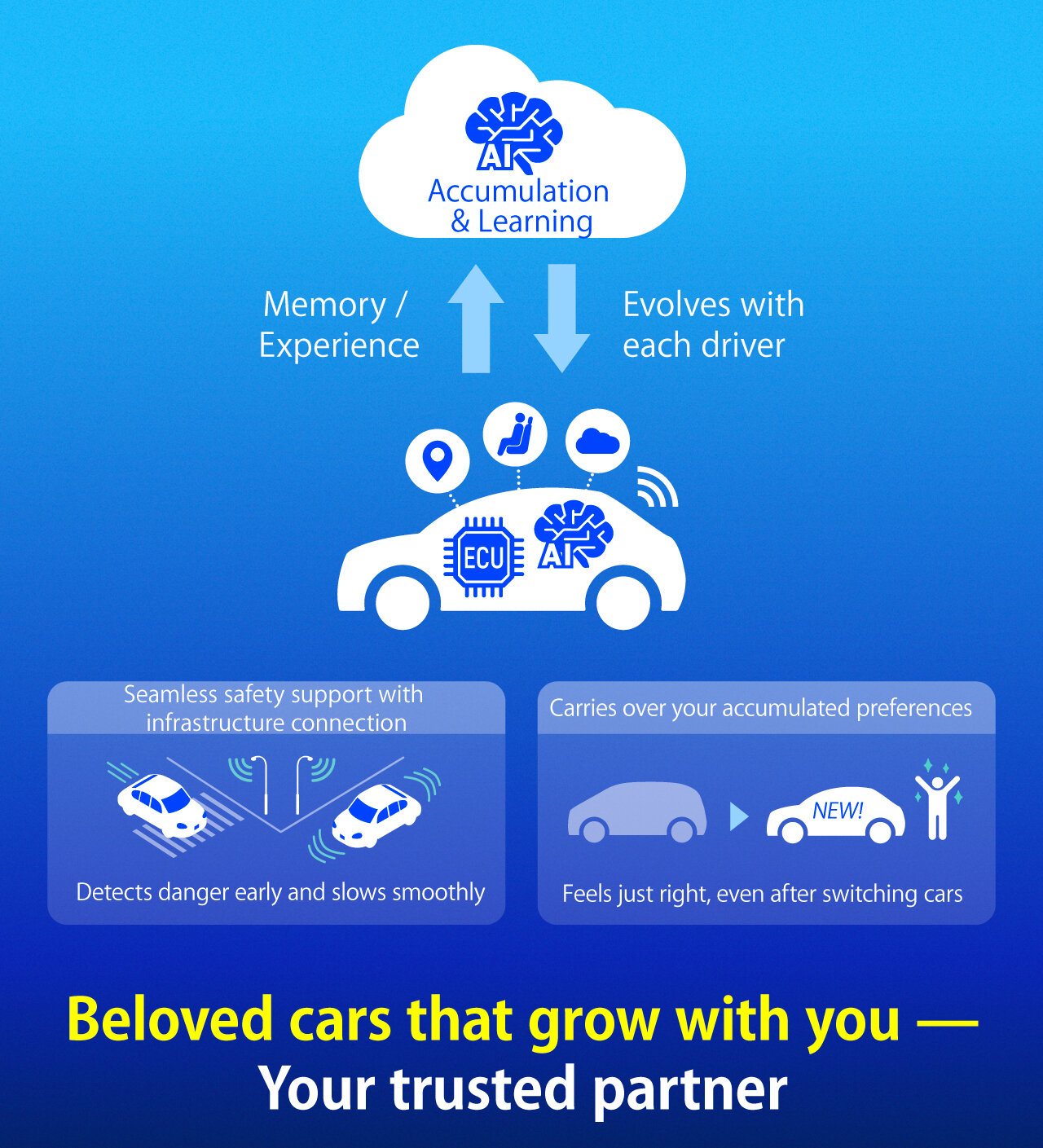
For example, software can learn things like screen layouts and seat positions, remembering your preferences to ensure a comfortable, personalized experience, even when you switch to a different vehicle.
By learning each driver’s habits and preferences, it can also anticipate their actions and provide safer driving support.
Toyota aims to create beloved cars that grow alongside their owners — partners that evolve over time.
What Makes Toyota’s SDVs Different?
At the heart of Toyota’s SDVs is the same unwavering goal it has always pursued as a carmaker: achieving a society with zero traffic accidents.
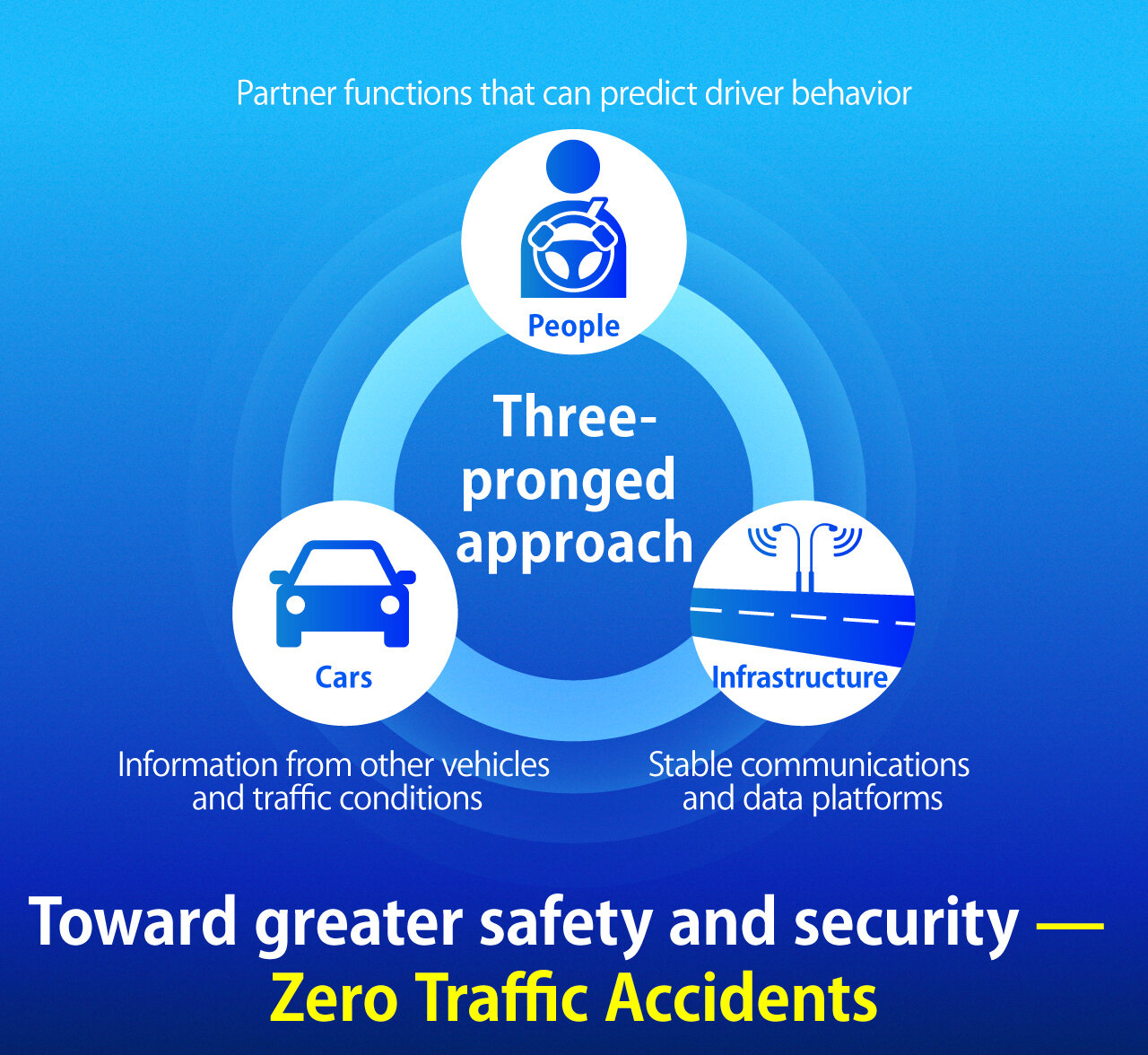
Because there are limits to what cars can see on their own, systems are being developed to connect information from roadside cameras and other vehicles. To make this possible, development is underway on reliable communications networks and powerful computers capable of analyzing vast amounts of data without delay.
As cars continue to grow together with their owners and efforts to eliminate tragic traffic accidents advance, collaboration is expanding with partners from a wide range of industries to explore new possibilities and meet diverse needs.
Through these efforts, a three-pronged approach that brings together cars, people, and infrastructure aims to make zero accidents a reality. With safety and security as the foundation, new possibilities open up for how people experience and enjoy cars.
As a carmaker, Toyota is creating new value that draws on its strengths to shape the future of mobility.
To experience Toyota’s unique vision for SDVs, check out highlights from the media briefing on intelligent technologies held on October 20.