





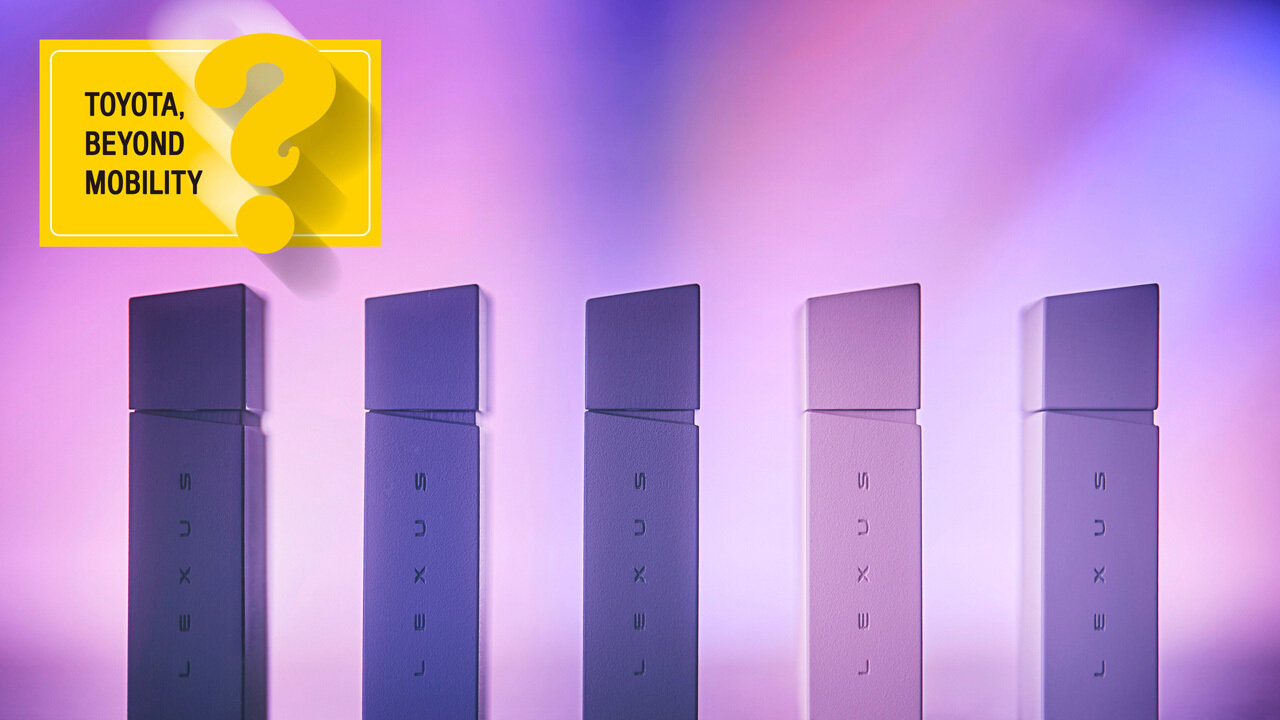
A series showcasing Toyota's activities in non-automotive fields. This time, it's fragrances! ...Wait, perfume?
Let’s jump in with a question: what might this device be used for?
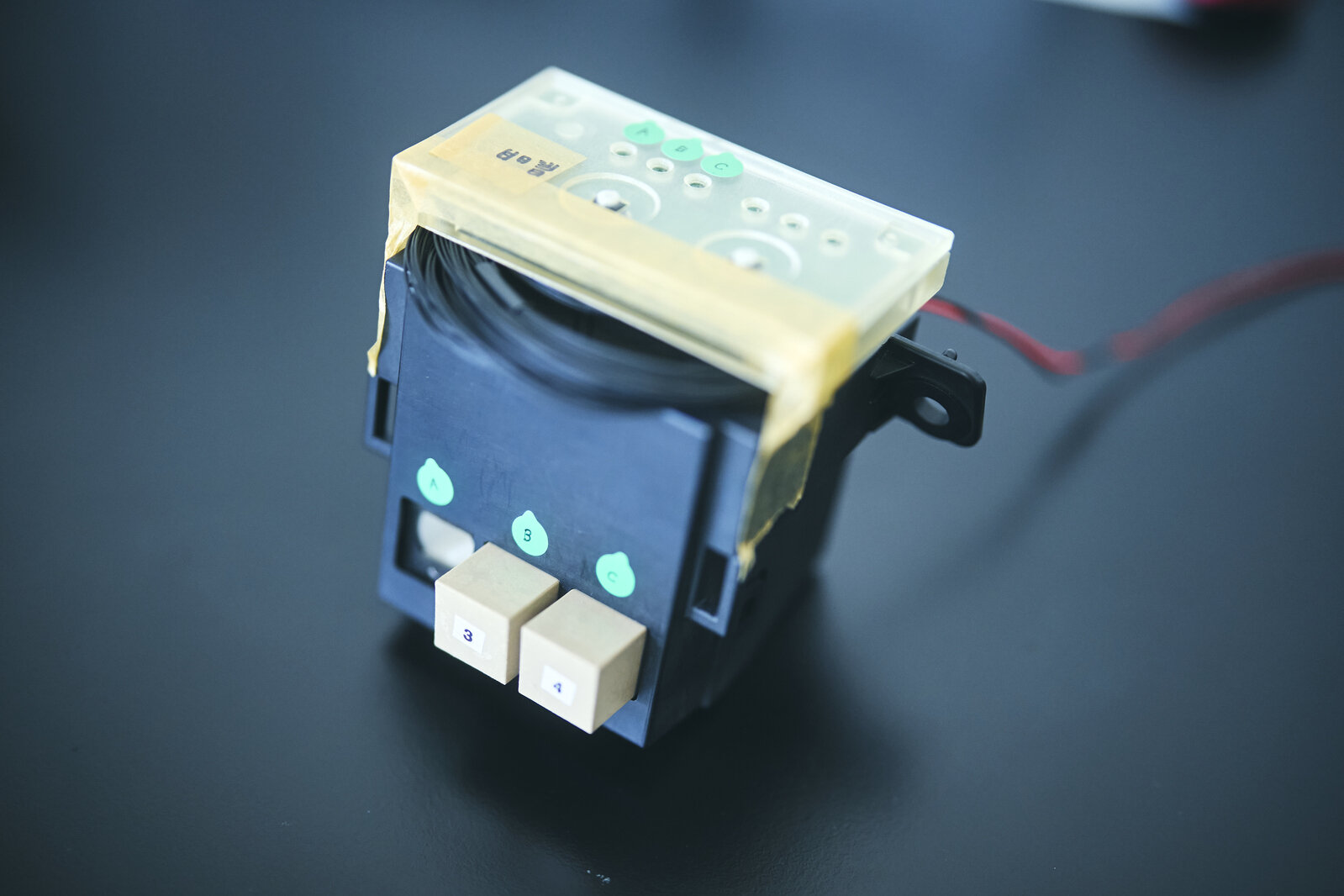
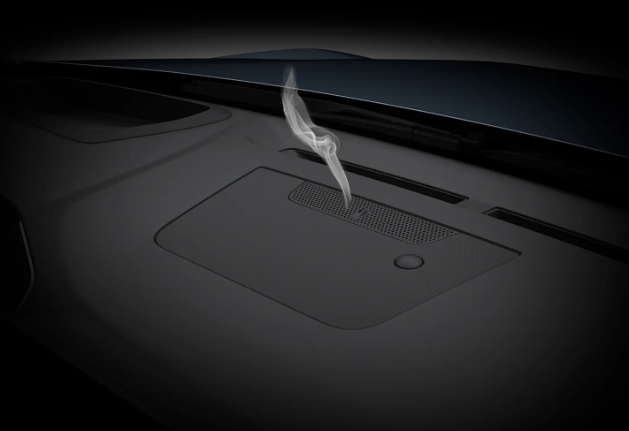
It is, in fact, a prototype scent generator for car interiors, capable of emitting three different types of smells. That’s right—Toyota is putting serious effort into developing scents.
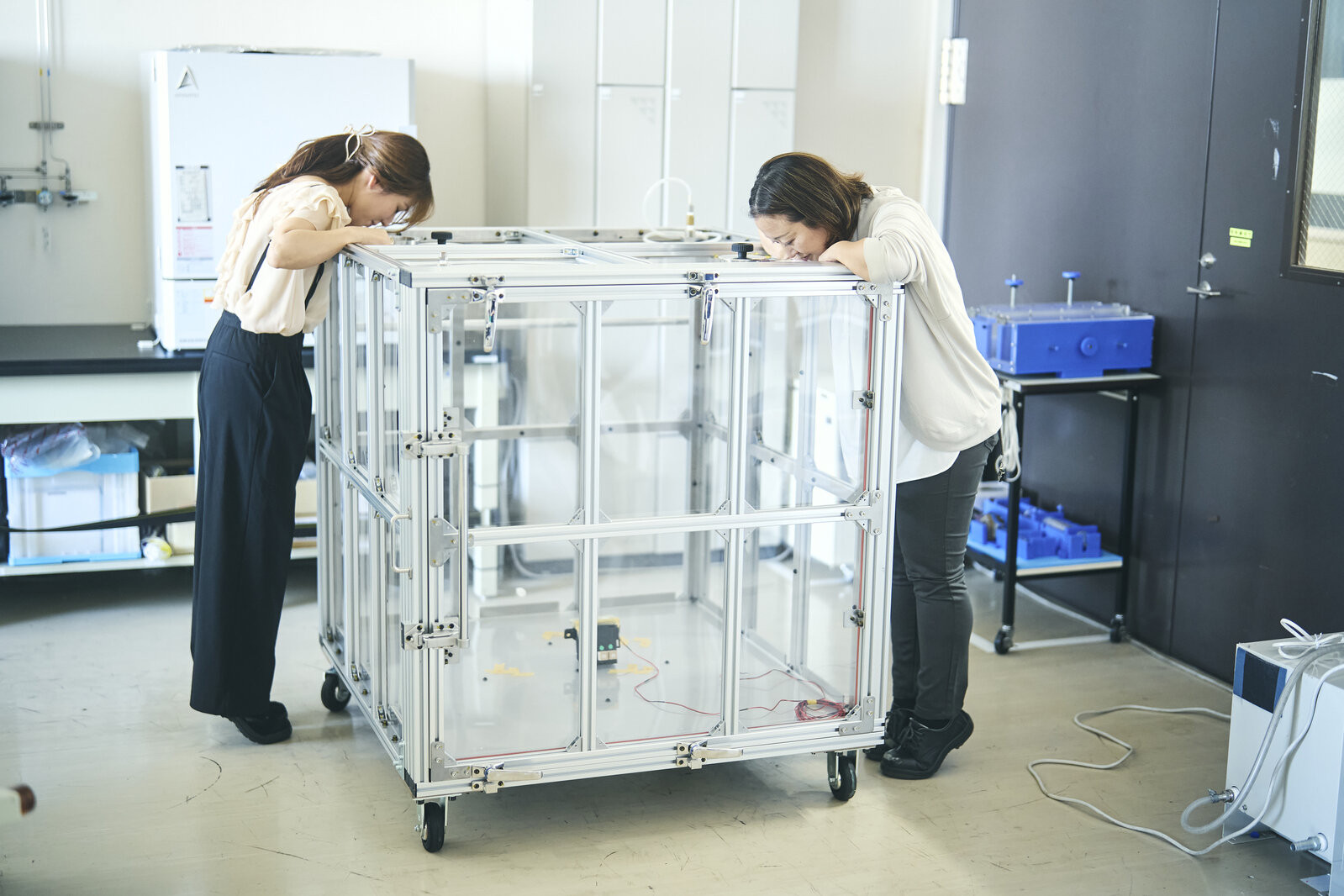
For some people, car fragrances may have negative connotations, such as causing motion sickness. However, the future of in-car scents might look very different.
Vehicle interiors could become platforms for “spatial experiences,” where scents can alter your mood. This article is packed with bits of fragrance-related trivia. See how many new facts you can discover along the way!
How to get that new car smell
The way we perceive scents varies from person to person, depending on gender, age, individual tastes, and regional background.
Smells are detected by around 400 types of olfactory receptors located deep within the nose. By acting in concert to send signals to the brain, these receptors enable humans to distinguish a wide range of different scents, numbering in the hundreds of thousands.
Compared to common mechanical analyzers or odor sensors, humans are better at instantly detecting subtle variations. Good job, human body!

Smells are also linked to an individual’s experiences and memories. This means that even a faithful reproduction of a rose’s scent may come off as no more than an odd grassy aroma to someone who has never smelled a real rose.
By the way, do you know what makes up that distinctive new car smell? While some online sources describe it as “the smell of adhesives,” that doesn’t give the whole picture.
As well as adhesives, the new car smell comes from a combination of plastics, foam, rubber, leather, and other materials.
Some love it, others don’t, so we asked Toyota staff whether there was any way to get rid of that smell. They explained that eliminating certain strong odors would merely make others stand out, creating new problems… Such is the power of the human nose…

We also heard that Toyota is home to some keen-nosed fragrance aficionados.
In Japan alone, Toyota vehicles are made at more than ten different plants, with each plant producing its own distinct smell. Astonishingly, some employees can tell where a car was made just by smelling it.
We’ll save more of these unbelievable trivia tidbits for later. For now, let’s turn to the product we investigated for this article.

These Lexus fragrances were born out of Toyota’s olfactory explorations. Yet they are not for using on your body, but rather your car.
To create scents is to create experiences
Cars are developed to meet lifestyle needs, and people are increasingly using them as spaces to relax and unwind, as they would in their own home. The lack of personal space inside actual homes is one contributing factor.
Cars are serving a wider variety of purposes.
In response, Toyota is focusing on the value of experiences that engage all the senses. As a key element in this new approach to cars, in 2019 the company began developing fragrances.
Saki Tozawa, Designer, Color & Sensory Design Div.

In the auto industry, CMF (Color, Material, Finish) is a way of thinking about the design of surfaces. Now attention is shifting to CMFX design, which adds Experience, bringing in all the senses.
We started by asking how we wanted customers to feel—and worked backward to create scents that matched.
This year, the unveiling of the Lexus ES was accompanied by the release of original fragrances featuring bamboo, the brand’s signature material.
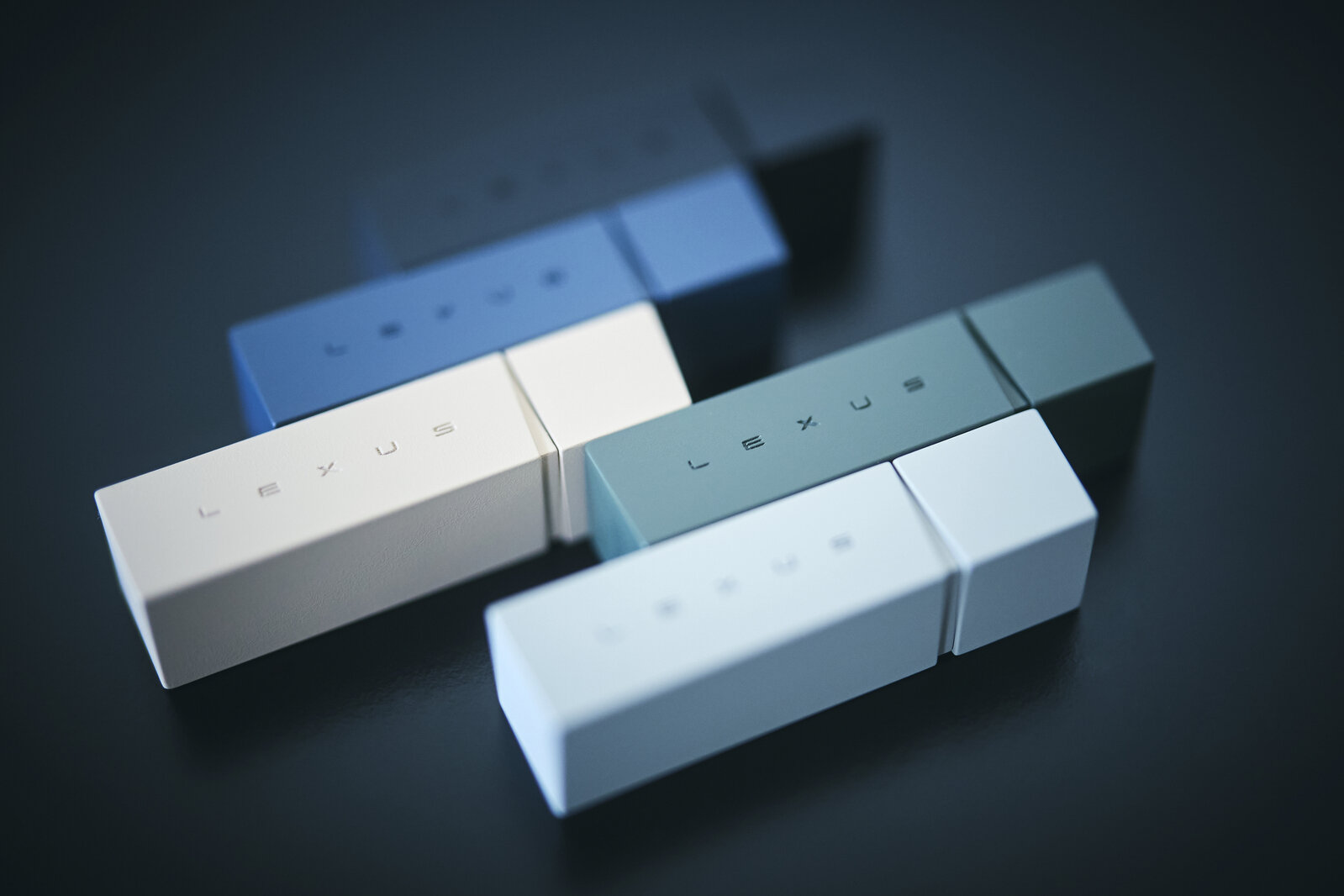
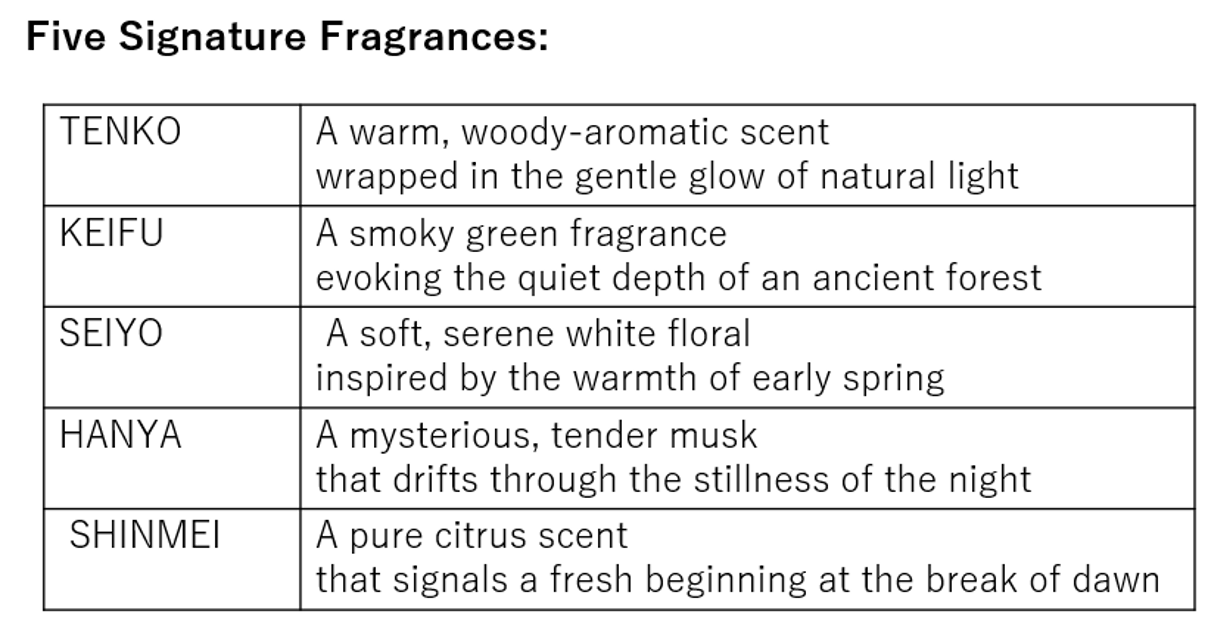
A fragrance generator inside the car’s glovebox holds up to three cartridges, which users can load from a lineup of five scents. The fragrance is dispersed through the speaker vent behind the instrument panel.
Initially, the development was tough going. Creating scents for car interiors proved more challenging than those for living spaces.
Misako Mochizuki, Assistant Manager, Lexus Body Engineering Div.

Crafting a fragrance involves two phases. First, create the desired scent. Second, reproduce it inside the vehicle.
Even if you perfect the scent, inside the car, you might only be able to perceive certain parts of the fragrance… The progress was anything but smooth.
Emitted from the front of the car, the fragrance might get blown around by the air conditioning and come into contact with passengers or seats as it diffuses. Finding the right spot for releasing the fragrance was therefore crucial.

One of the people involved in this project was a woman who calls herself “a pro at bad smells.” We had to know more...