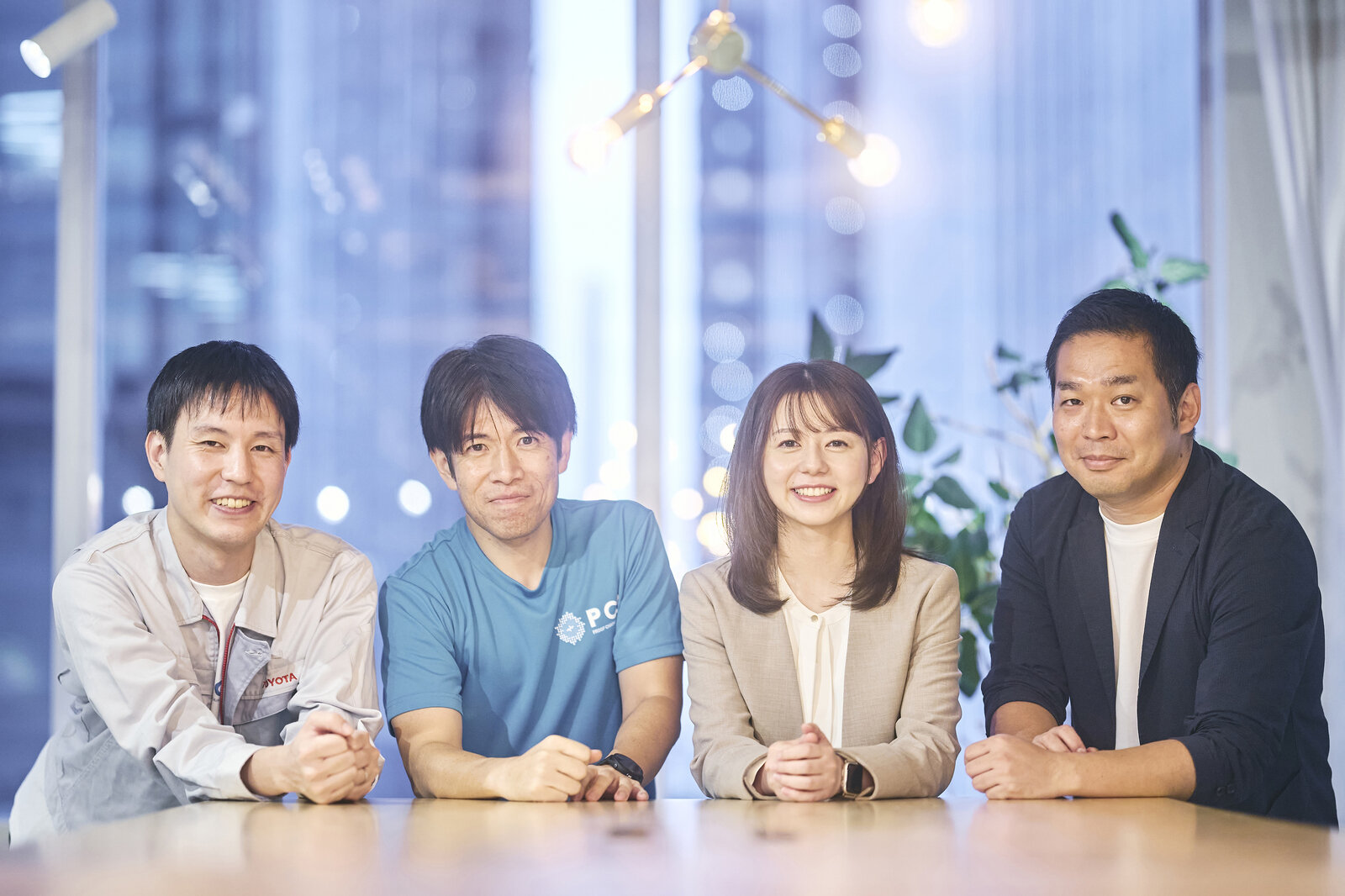



PCE is a data integrity service developed to help companies handle costly IP disputes more effectively, drawing on hard-won lessons and aiming to improve conflict resolution in the future.
“Lawsuits over IP (intellectual property) rights are extremely unproductive. Especially when large corporations clash, the expense and number of people involved are staggering, which makes it hard to see any positives. The core mission of an intellectual property department should be creating added value, not mitigating losses.”
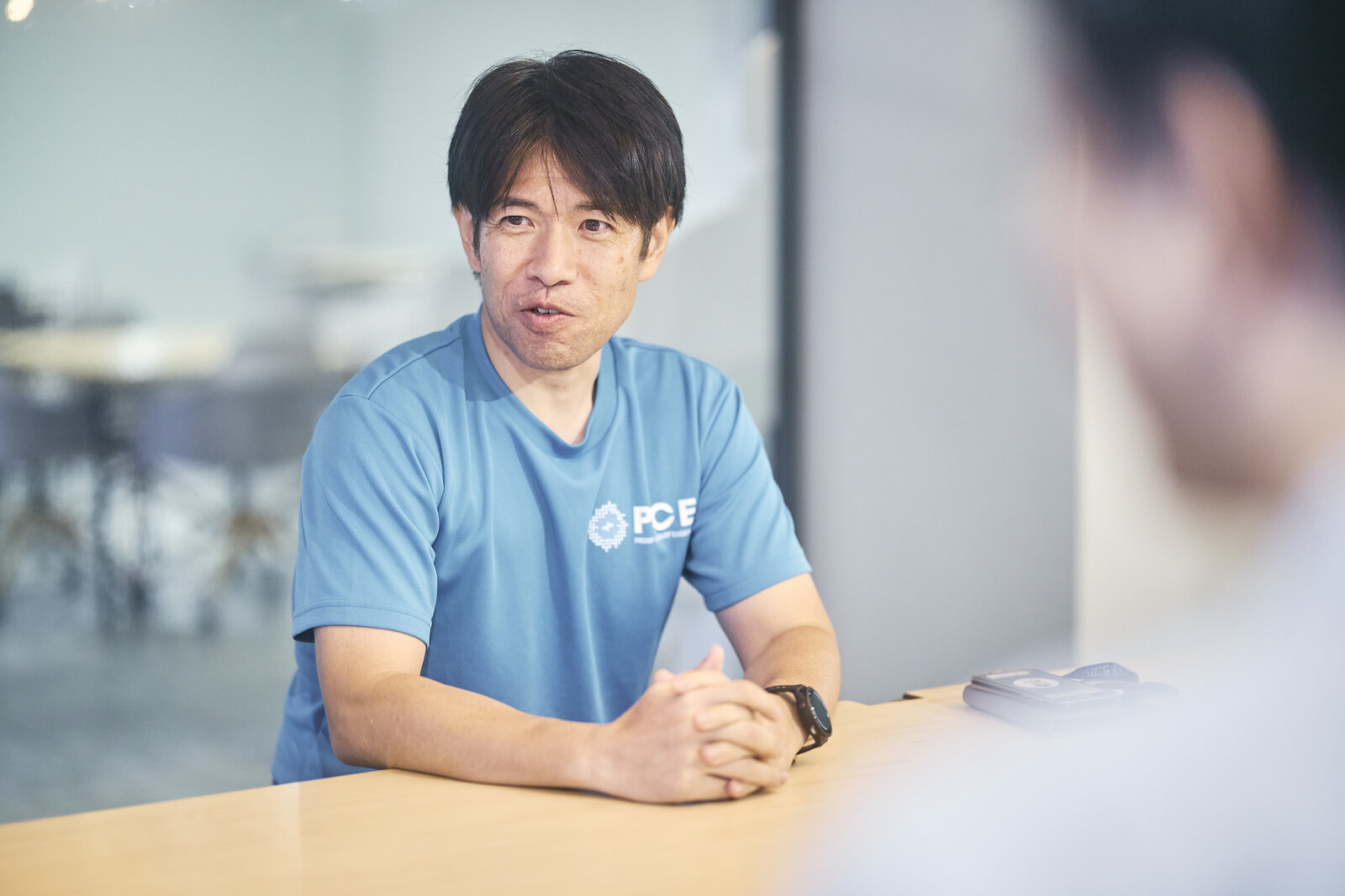
So says Naoki Yamamuro, who conceived the data integrity service PCE while at Toyota’s Intellectual Property Division, and then worked to bring it to market.
On numerous occasions in the past, Yamamuro had been involved in cases where company documents that would have contributed favorably to a lawsuit or pre-trial negotiations between two parties were not admitted as evidence in court. These bitter experiences spurred him to find a better way.
Patent law contains what is known as “prior user rights.” This arrangement offers certain usage rights to individuals who were already capitalizing on an invention commercially, or preparing to do so, before another party filed their patent application.
However, the requirements are extremely strict, and even meticulously maintained paper trails are often not accepted as evidence in court. One must be able to prove when such documents and records came into existence, and back that up with solid evidence.
What’s more, the shift to electronic record-keeping has only fueled suspicions of tampering. The urgent need for a solution led to the launch of a new venture, PCE (Proof Chain of Evidence).

Blockchains and timestamps
As his first step in the development process, Yamamuro began searching for an outside partner. The Advanced Data Science Management Division, which has expertise in blockchain technology, recommended five well-established companies, along with a single startup, Scalar. At first, Yamamuro admits he was a little dubious.
“Did someone pull some strings here? Is this a scam? That’s how I was looking at it (laughs).”
Apparently, people in the Intellectual Property Division are skeptical by nature. However, Yamamuro’s mood changed completely the moment Scalar CEO Wataru Fukatsu began his presentation.
Naoki Yamamuro, General Manager, DS Development Dept., Advanced Data Science Management Div.
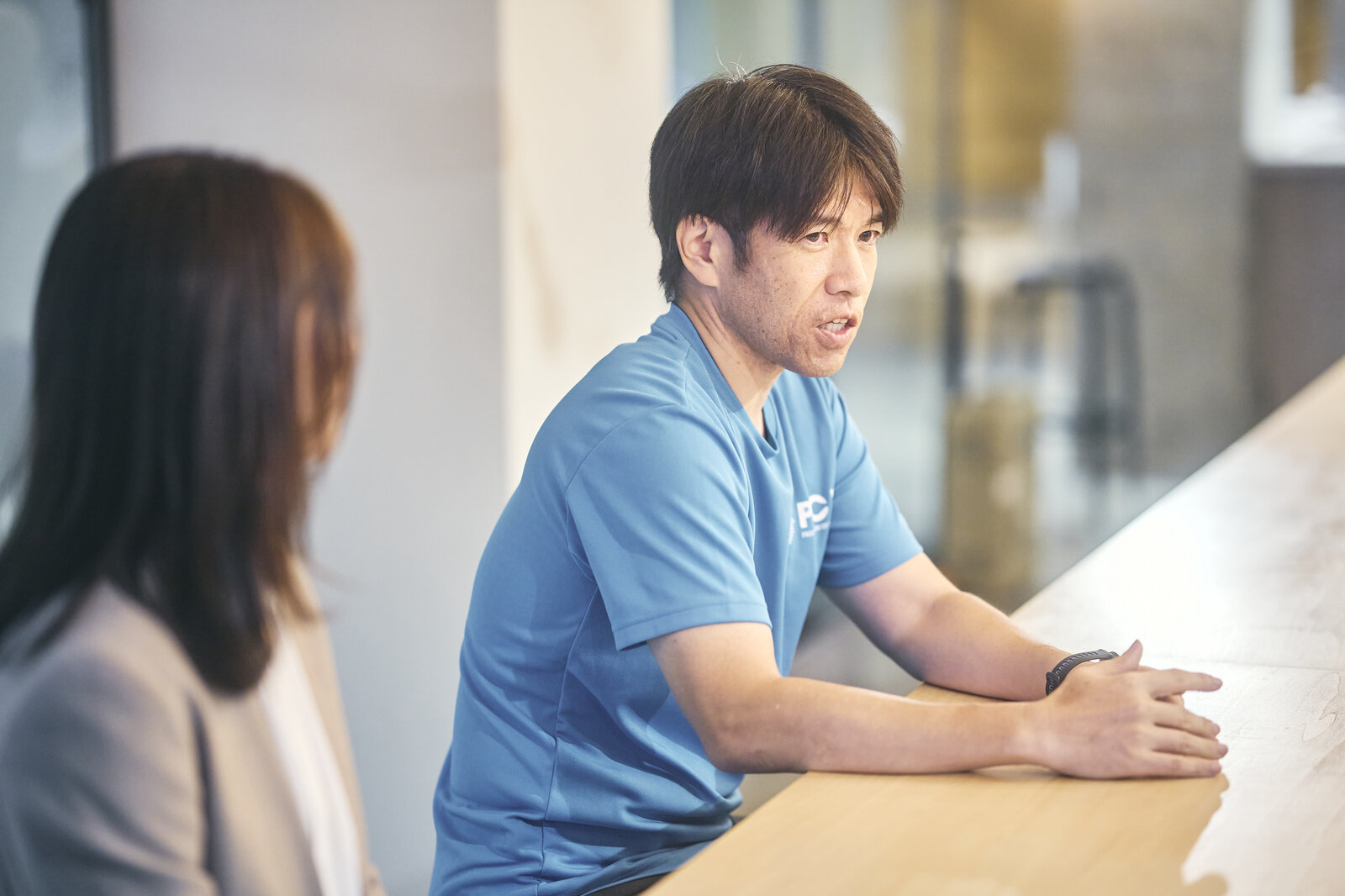
Being familiar with the realities of IP litigation, I decided to throw him some curveballs, and he responded with concrete, solution-level recommendations. All of them were spot on. Within the first two or three minutes, I realized that I had been wrong—this wasn’t a scam, it was the real deal.
Since founding Scalar, Fukatsu had constantly been searching for a trusted method of storing electronic files. Here is how he remembers that time:
Wataru Fukatsu, CEO, Scalar, Inc.

Before making our pitch, we thoroughly researched related cases around the world and found that data without a timestamp* was rejected outright. What’s more, Japanese timestamps were not recognized as evidence in China or the EU. Essentially, to prove that the electronic data already existed, it needed to be timestamped in each country, but doing that for every file would cost enormous amounts of money.
*Information identifying when a certain event occurred, typically providing the date and time of day (e.g. “2025-11-04 17:01:38”). Timestamps play a crucial role in tech, law, and other sectors.
Fukatsu envisioned a system where files uploaded to storage platforms such as Box or SharePoint would have their hash value (digital fingerprint) automatically recorded and linked chronologically on a blockchain.

By affixing a timestamp for each country to the end of that chain, the service offers simple, long-term evidence—usable globally without high costs—that the data in question existed at the specified time and, as visible through the revision history, has not been falsified.
Masayuki Kobayashi, who had previously been involved in developing new businesses that leverage blockchain technologies, says this innovative idea is what inspired his move to Toyota.
Masayuki Kobayashi, DS Development Dept., Advanced Data Science Management Div., Toyota Motor Corporation
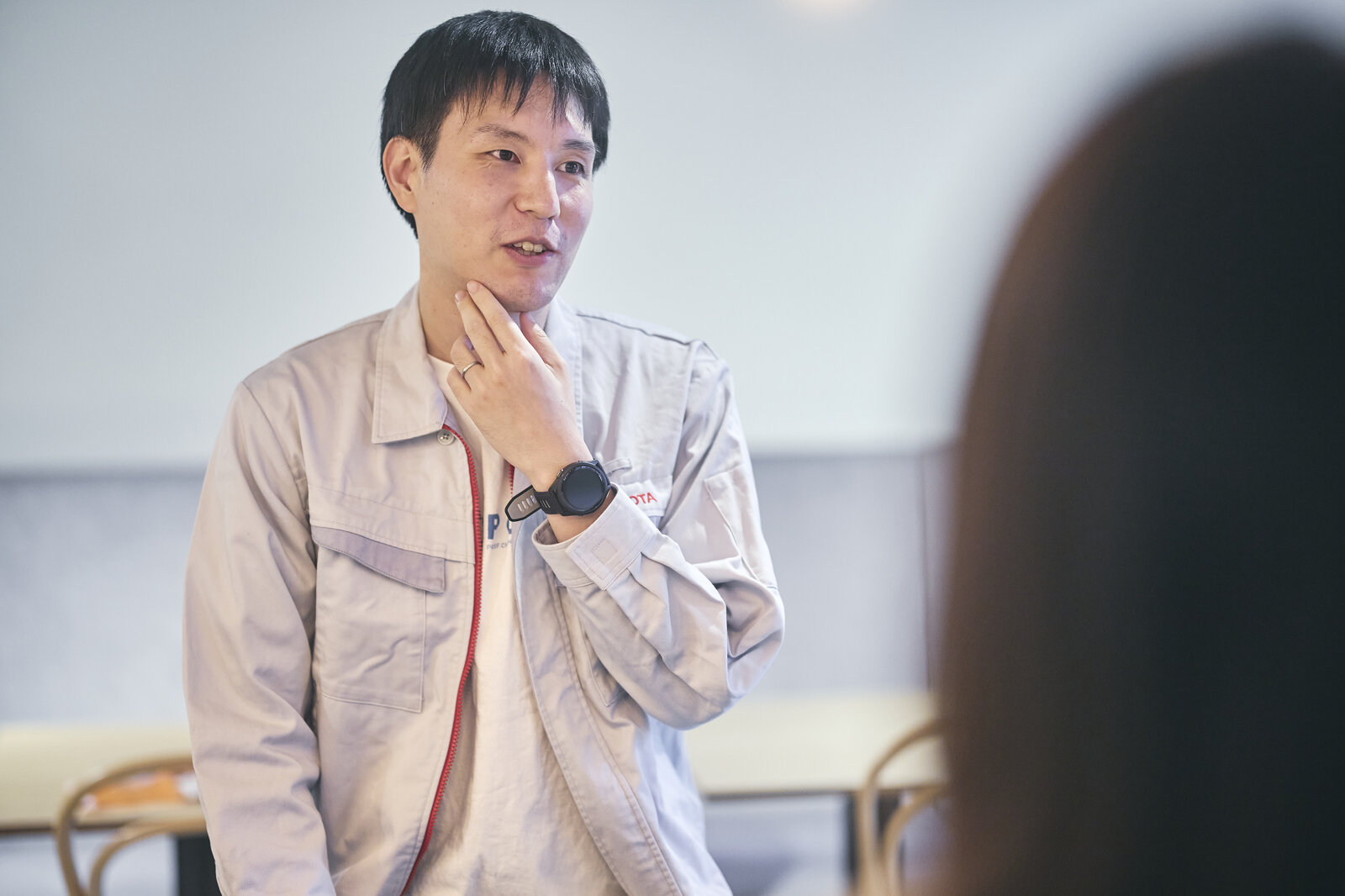
I knew that blockchains would need to be combined with other elements to be viable as a business, but I never thought of using timestamps in that context. Blockchain engineers generally don’t have expertise outside of IT, so the idea of IP timestamps just didn’t occur to us.
The result was PCE. All users need to do is save their files to a cloud storage platform like Box or SharePoint in the usual way.

“PCE gives us the confidence to pursue open innovation”
Hiroyuki Kishimoto, a Fellow at the Research & Development HQ and General Manager of the Research Center for Advanced Technology & Innovation at Sumitomo Rubber Industries—which has adopted PCE—looks back on how he first encountered the new service.
Hiroyuki Kishimoto, Fellow & General Manager, Research Center for Advanced Technology & Innovation, Research & Development HQ, Sumitomo Rubber Industries
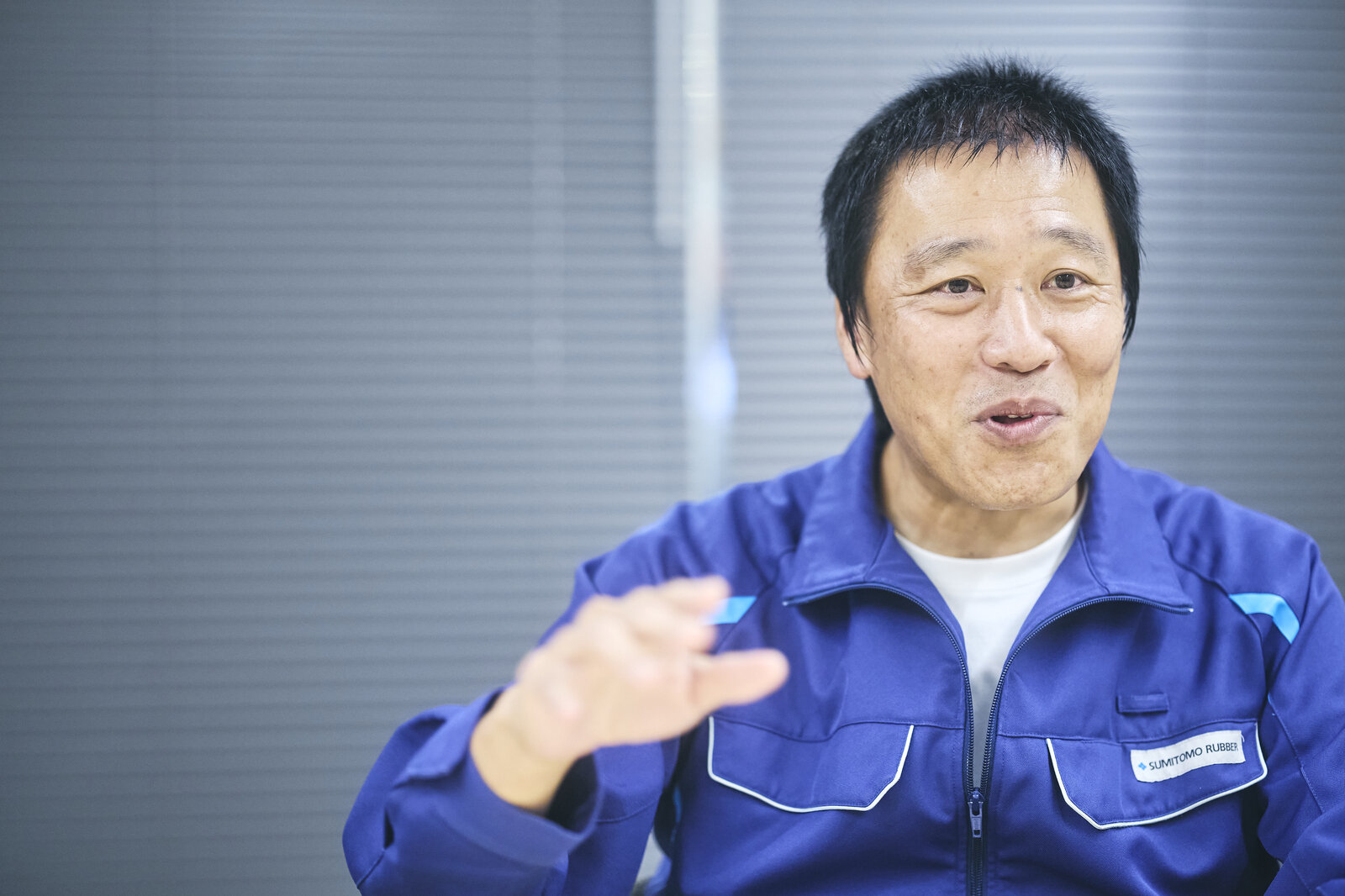
When I heard about it, it seemed like an incredible system. With PCE, we can confidently go outside the company. I wanted to start using it immediately.
When Kishimoto speaks of going “outside the company,” he is referring to an environment of open innovation. Nowadays, many new technologies and ideas cannot be brought to life within a single firm, requiring active collaboration and the sharing of expertise with universities or startups.
Fellow Hiroyuki Kishimoto, Sumitomo Rubber Industries
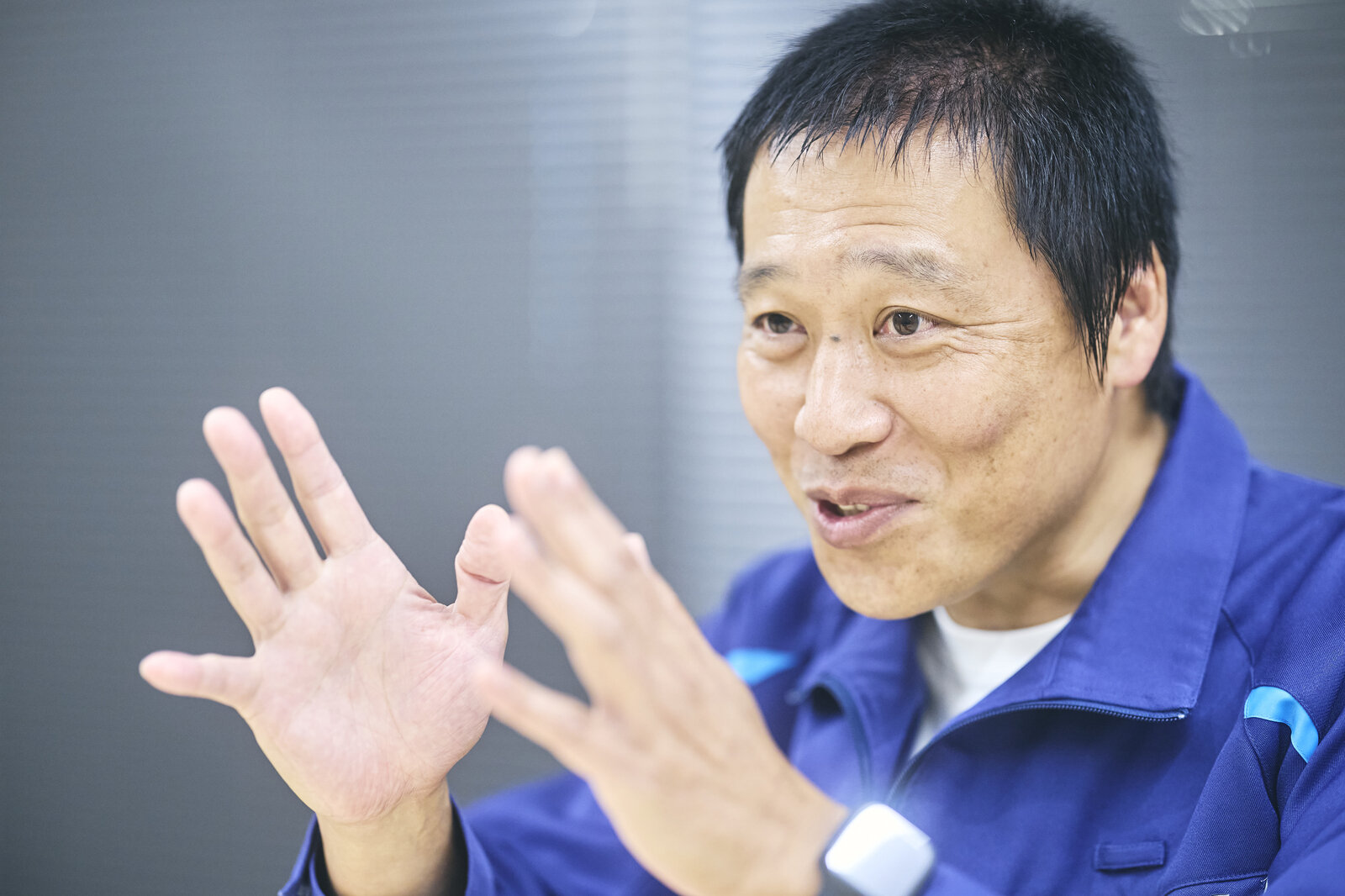
The important thing is to draw clear lines between open and closed strategies. Seasoned staff can distinguish which information can be shared and what must remain confidential. But expecting the same level of discernment from younger staff is difficult, and it can sometimes be interpreted as a technology leak. That’s what worries us.
With PCE, even if an employee mentions something inadvertently, we can prove that our company already possessed the technology. It allows us to engage in outside discussions with peace of mind.
Kishimoto also went on to emphasize:
By the time problems arise, it’s too late. And if it escalates into litigation, the time and money consumed become enormous. In that sense, PCE functions like an insurance policy. I think this investment is absolutely essential for protecting Japanese monozukuri.
Collaboration boosts big companies and startups alike
The PCE development process did not start with a client setting out the requirements and features they wanted. Instead, it began with an experimental research phase before moving on to implementation.
This approach reflected the fact that no one had yet ventured into this area. Another key factor was moving the PCE team into Toyota’s Advanced Data Science Management Division, which conducts experimental research.
Wataru Fukatsu, CEO, Scalar, Inc.

The way we undertook the experimental research was for both sides to pursue new ideas, and if they were deemed feasible, integrate them into the system.
In Japan, most systems are made to order for corporate clients. However, these systems take time to build. As a result, by the time of delivery, they are often out of step with market needs.
Searching for the optimal tools, the team directly contacted Microsoft’s U.S. headquarters and other companies to secure the desired functionality, negotiating to have their suggested features added in.
Naoki Yamamuro, Toyota Motor Corporation
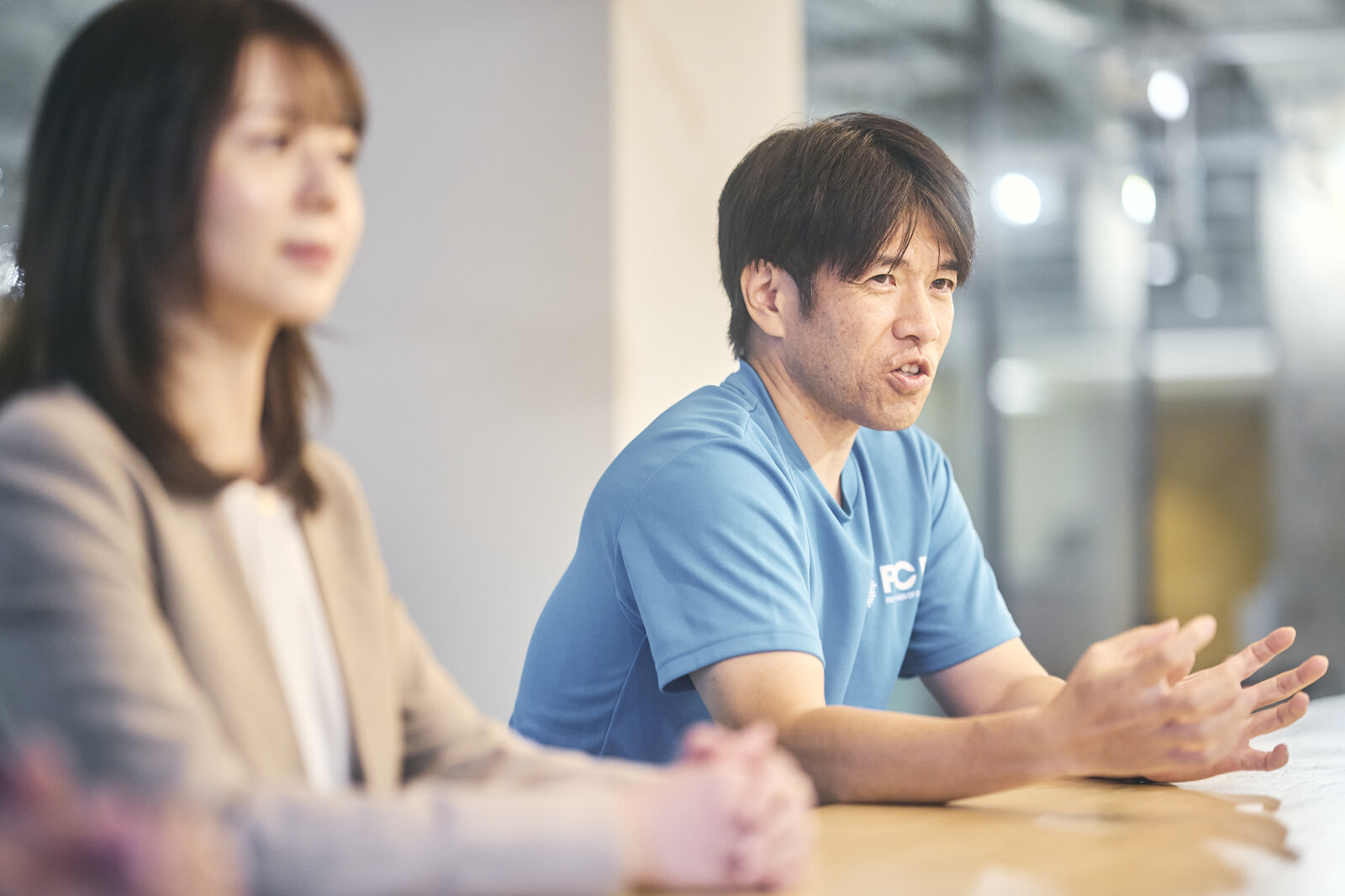
Generally speaking, large corporations are safety-focused, so they avoid using anything unproven. From the very beginning of this project, however, we set out to incorporate cutting-edge technologies and software.
Masayuki Kobayashi, Toyota Motor Corporation

Scalar’s cutting-edge approaches constantly yield new discoveries. Our regular briefings and development meetings never cease to amaze me. We also really appreciate the insights they offer into the latest industry dynamics.
Yuka Yokoi, Business Creation Group 1, Business Development Dept., New Business Planning Div., Toyota Motor Corporation

The other day I dropped in on Scalar’s AI development genba, and while we were looking at the screen I made some suggestions about the UI. Within about 15 minutes it had been updated. I was stunned.
Manabu Tanaka, who was transferred over from Scalar, had this to say about Toyota’s culture:
Manabu Tanaka, Project Manager, AICoE Group, DS Development Dept., Advanced Data Science Management Div., Toyota Motor Corporation
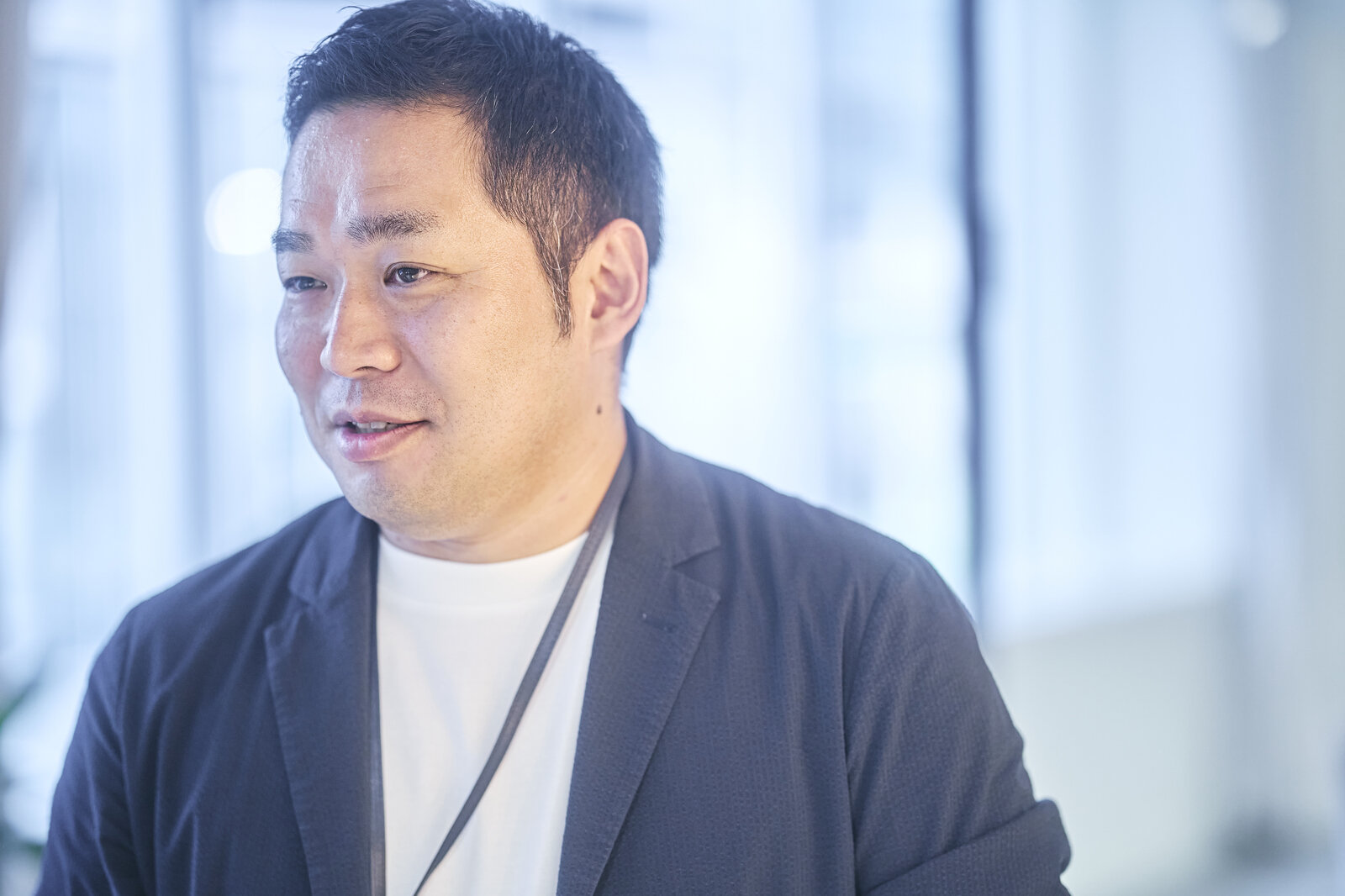
At Toyota, I feel that the core elements of safety, quality, and reliability are always consistent, even when pursuing new initiatives. In startups and the tech sector, speed is a priority, and you often tolerate a degree of uncertainty to get the ball rolling.
The way that Toyota embraces not only speed and efficiency, but also aspects such as social responsibility and sustainability, underscores the weight of its commitment as a monozukuri company.
At the same time, I believe that speed and flexible thinking are also crucial, and the challenge for me right now is figuring out how to fuse these two elements to achieve speed underpinned by reliability.

Contributing to the healthy growth of our data-driven society
At present, PCE is compatible primarily with documents, but the team plans to expand functionality in the future to handle large files such as audio and video data.
Naoki Yamamuro, Toyota Motor Corporation

The time will come when companies that use some form of AI will need to prove what additional data they fed into it. If that data isn’t properly managed, it could cause major problems when something happens. Already, breaching the GDPR (the EU’s General Data Protection Regulation) can cost companies up to 4% of their previous year's global revenue.
The fact that this issue was also raised by Hiroyuki Kishimoto of Sumitomo Rubber Industries shows that data management in the AI era is a shared challenge.
Masayuki Kobayashi, Toyota Motor Corporation
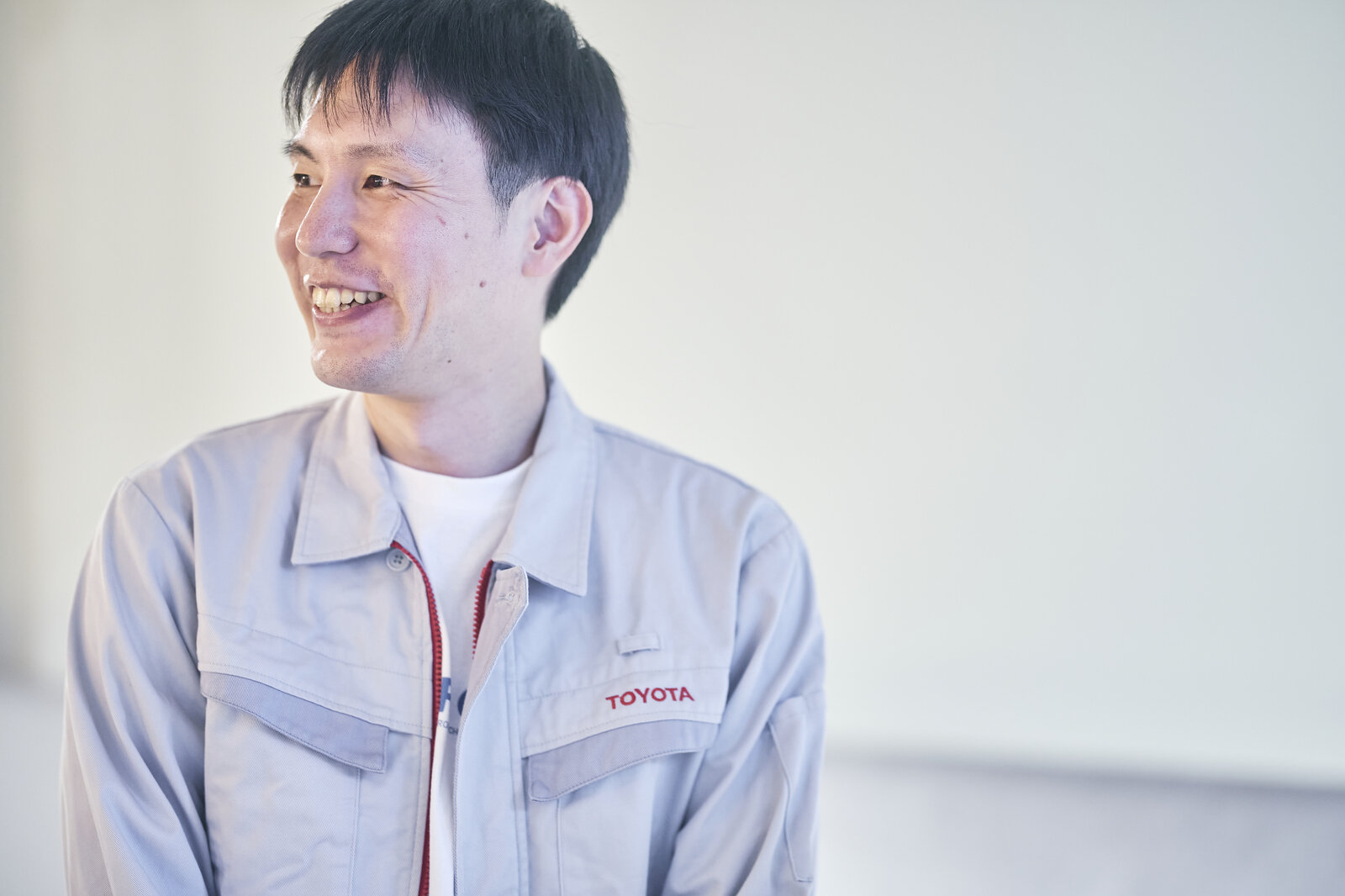
PCE seeks to contribute to the healthy growth of our data-driven society. Enabling developers to prove ownership of their data will boost motivation and allow technical collaboration to flourish. We hope that we can continue doing our part to build the necessary infrastructure.
Manabu Tanaka, Toyota Motor Corporation

Just like antivirus software for personal computers, I hope we can become an essential part of the social infrastructure for companies handling data.
Yuka Yokoi, Toyota Motor Corporation

It’s not just about preventing disputes at home but also protecting Japan’s intellectual property on the world stage. I think that’s what makes Toyota’s involvement important.
Finally, we asked Yamamuro about his outlook and vision for the future.
Naoki Yamamuro, Toyota Motor Corporation
We want to work towards a society where people can concentrate on creating value, rather than squandering time on pointless disputes. Collaboration between established companies and startups is seen as difficult, but that’s not the case. When the two sides genuinely complement each other, something new is sure to emerge. We want to keep proving that through PCE.