





Our series showcasing Toyota's activities in non-automotive fields. Today's topic: carnivorous pitcher plants!
The power of surface tension!
As the research progressed, the team uncovered a startling fact.
Water moving from right to left, as in the diagram below, flowed smoothly over the ridges.
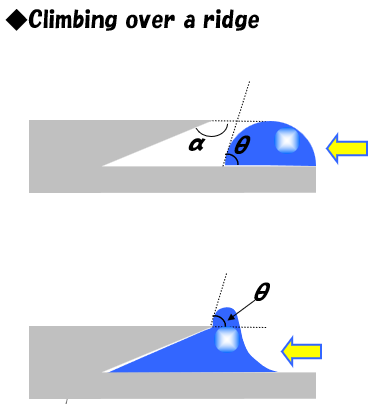
When going from left to right, however, surface tension brought the water to a stop.
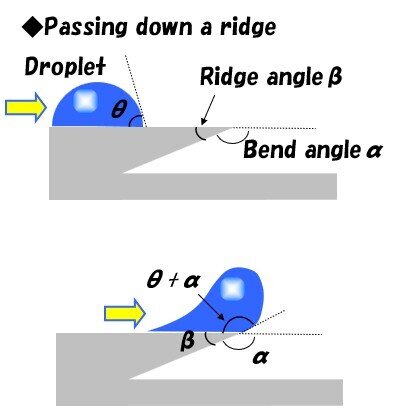
The discovery of this unexpected feature sent excitement levels soaring!
This finding alone was a major breakthrough, but Dr. Machida wanted to prove the concept by building a model to replicate the plant’s structure. For this cohort of researchers, every detail must be probed before they are satisfied.
And so, when water was passed over the artificially made model, it exhibited exactly the same behavior. The results were presented at an academic conference, causing the aforementioned stir on social media.
Dr. Satoru Machida, Senior Researcher, Toyota Central R&D Labs
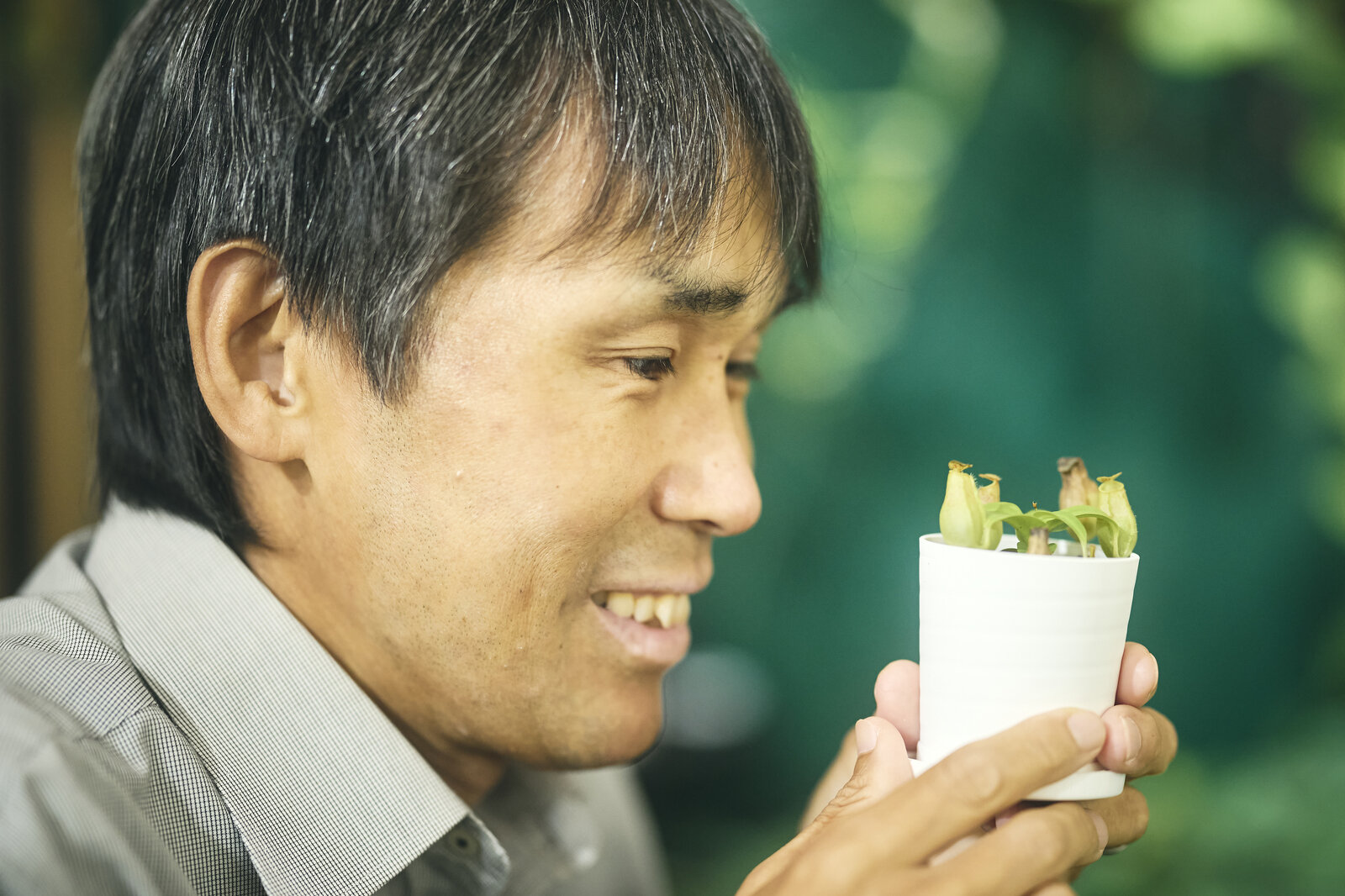
Pitcher plants come in more than 100 varieties, and we bought every one we could get our hands on. My family wondered what I was doing buying up all these pitcher plants (laughs).
But looking at many different varieties, we made a new discovery.
Despite the various shapes and sizes, all of them shared the same fundamental collar structure! What’s more, no matter how big or small the plant, the flow channel widths and angles were nearly identical!
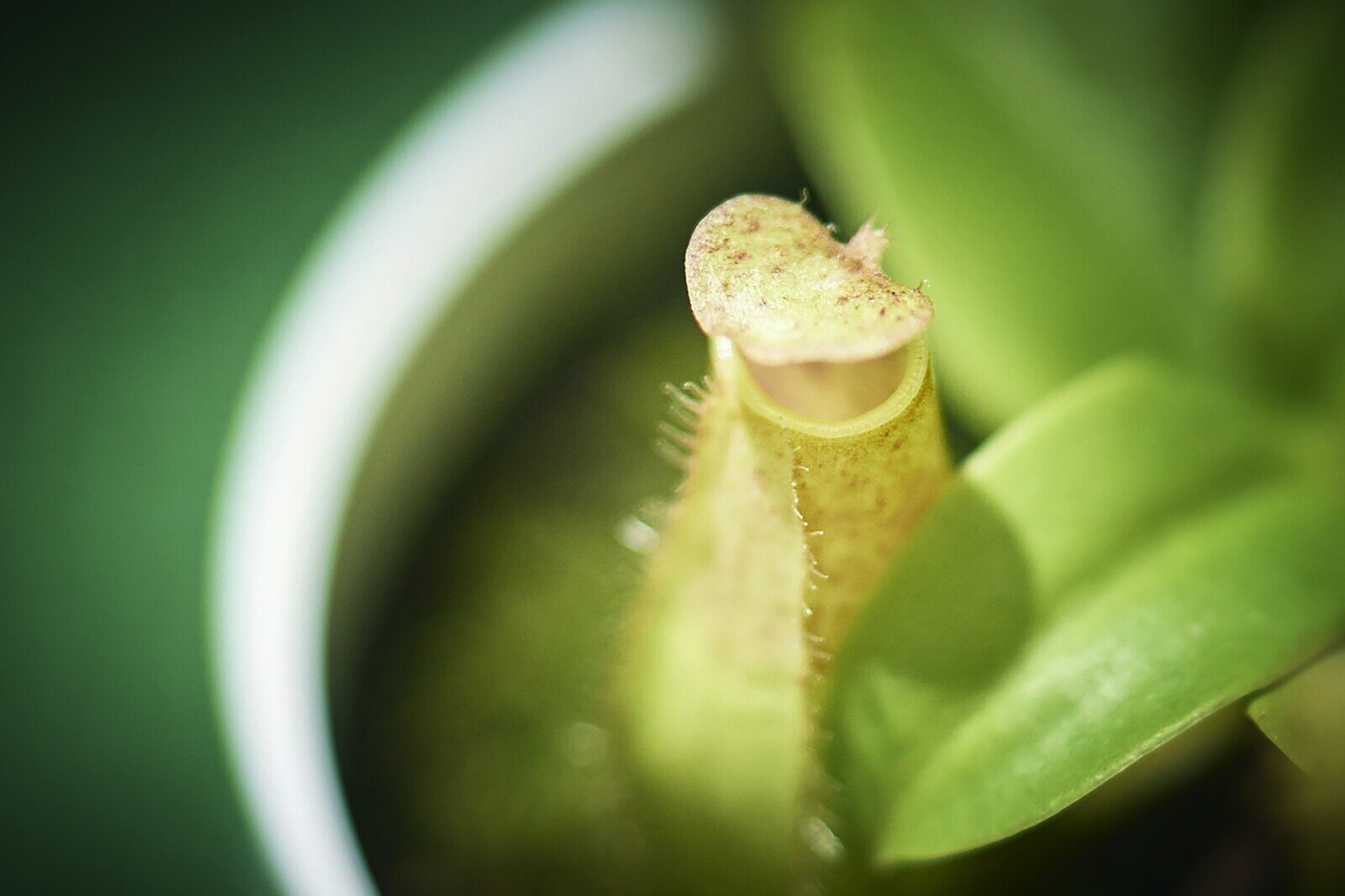
Even specialists at the botanical society were stunned by these findings.
Yet as bad luck would have it, the team was beaten to publication by a similar research project overseas. “I never imagined we’d have rivals in this field. We should have gotten our research out sooner,” notes Dr. Machida with disappointment.
Even so, the functions and structures his team uncovered could have applications in areas such as car mirrors, and their groundbreaking work served as an inspiration for researchers across the Toyota Group. The philosophy of learning from nature also lives on in Genki-Kûkan™
That particular project has revealed that different leaf shapes can have different effects on people, such as increasing energy, reducing fatigue, or boosting concentration.
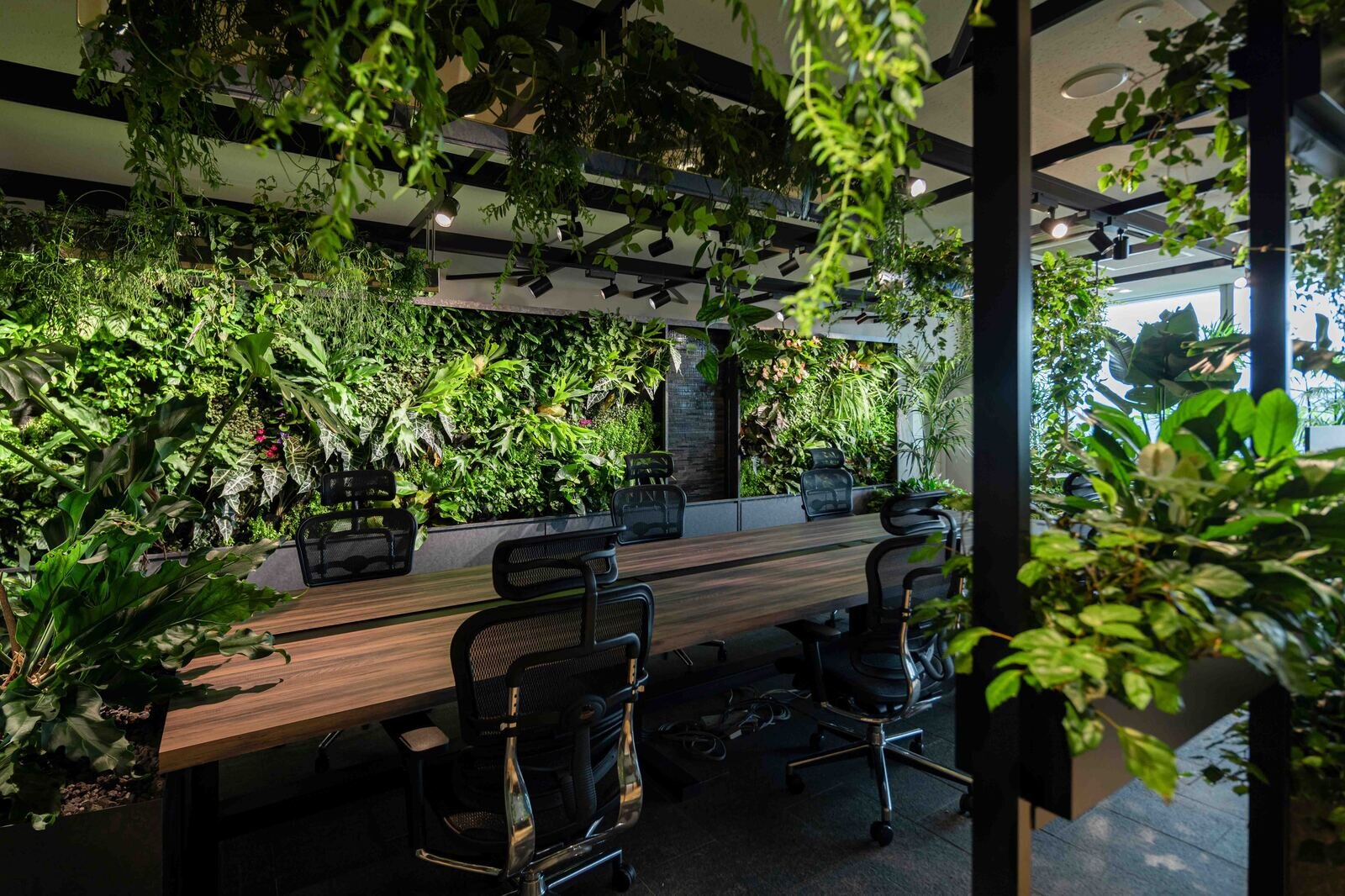


These Genki-Kûkan™ spaces are also being considered for Toyota’s new Tokyo Head Office, currently being built in Shinagawa and set to open in 2029. The episode truly underscores the importance of fundamental research.
Not just for the humans
Finally, we’d like to finish with this comment from the Toyota Central R&D Labs’ Nobuhiro Muramoto.
Nobuhiro Muramoto, Ph.D., Research-Domain Leader, Bioinspired Systems Research-Domain, Toyota Central R&D Labs
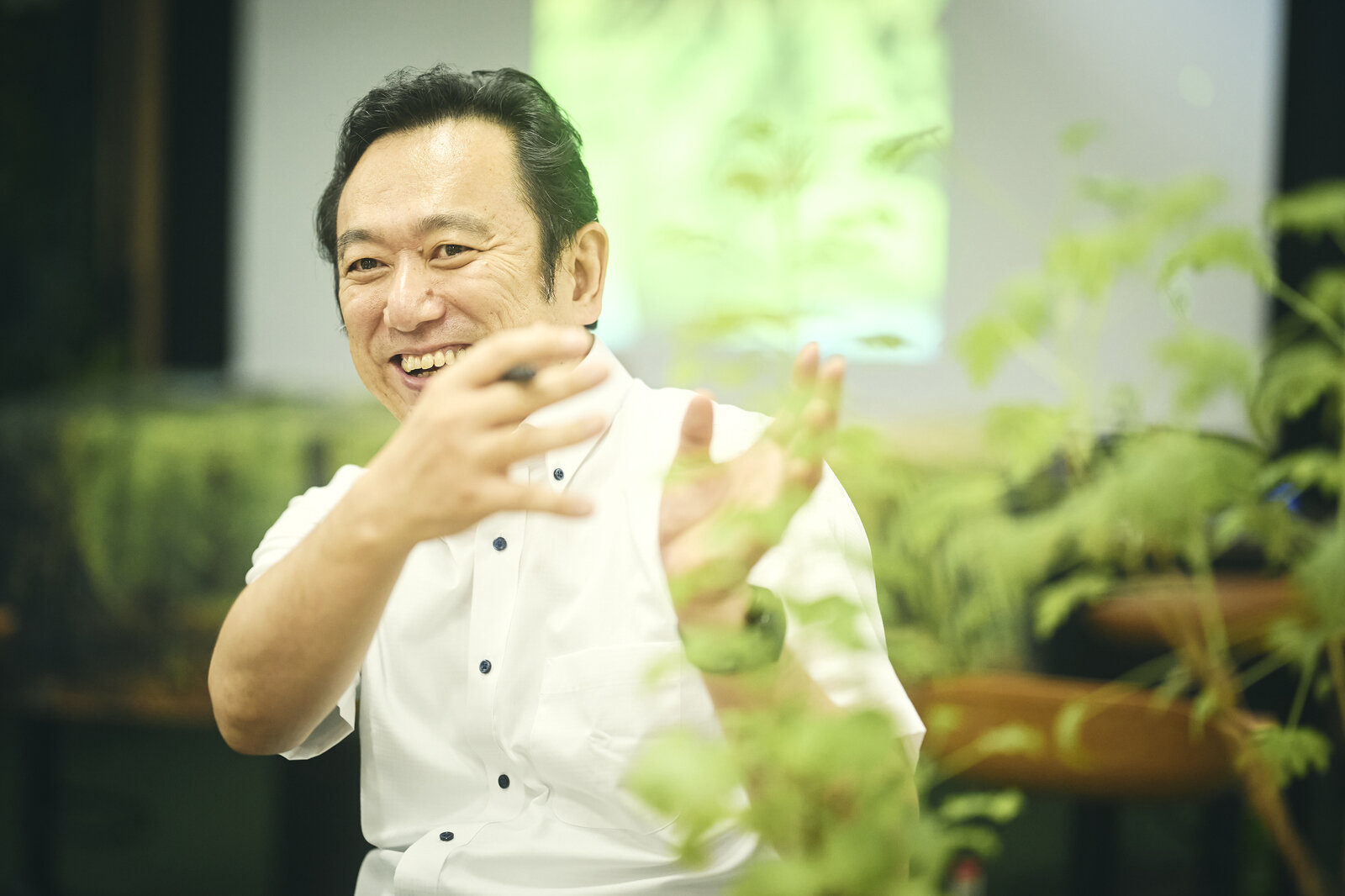
Organisms have evolved over billions of years, so they no doubt contain knowledge that can contribute to human happiness.
The important thing is coexistence, ensuring that it is not only humans who benefit. Coexistence doesn’t take a great deal of effort. Studying nature feels perfectly suited to our times, as we seek to achieve well-being for all living things.
Based on this philosophy, about a decade ago we began our efforts to learn from nature. Today we call it the Bioinspired Systems Research-Domain, but the underlying philosophy is the same.
Learn from living organisms, and use the insights gained to make our lives better. This is the mindset at the core of our research.
Toyota Central R&D Labs pursues wide-ranging fundamental research, even if there are no immediate practical applications. Such endeavors become new sources of happiness for society.
With the Toyota Group’s unique “think outside the box” approach to research, we’re always excited to see what the future brings!